Factionalism in Chinese Communist Politics
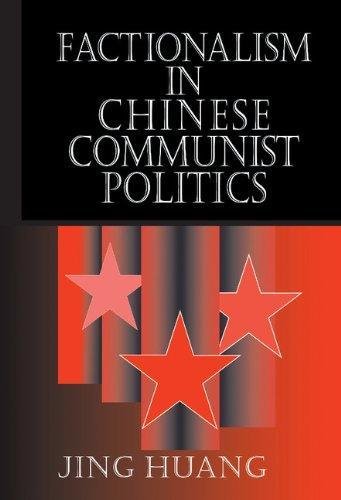
Factionalism in Chinese Communist Politics
Mode de Paiement
- PayPal
- Carte bancaire
- Virement bancaire
- Pubblica amministrazione
- Carta del Docente
Détails
- Auteur
- Huang Jing
- Éditeurs
- CAMBRIDGE UNIVERSITY PRESS, United Kingdom, 2008
- Thème
- CINA China Chine
- Description
- H
- Jaquette
- False
- Reliure
- Couverture rigide
- Dédicacée
- False
- Premiére Edition
- False
Description
8vo, cloth in dj. 458 pages. ex library working copy with considerable highliting at some chapters. ow. still good. Factionalism is widely understood to be a distinguishing characteristic of Chinese politics. In this book, first published in 2000, Jing Huang examines the role of factionalism in leadership relations and policy-making. His detailed knowledge of intra-party politics offers an alternative understanding of still-disputed struggles behind the high walls of leadership in Zhongnanhai. Huang traces the development of factional politics from its roots in the mountaintops and the enduring impact of the personal bonds formed between Mao and his supporters at the Yan an Round Table. Critiquing the predominant theories on leadership and decision-making, he explains that it is not power struggles that give rise to factionalism, but rather the existence of factionalism that turns power into an overriding goal in CCP politics . Huang explains why policy outcomes switched constantly between Left-adventurism and Right-conservatism under Mao s reign and between emancipation of mind and socialist spiritual civilization in the Deng era
