Questo sito usa cookie di analytics per raccogliere dati in forma aggregata e cookie di terze parti per migliorare l'esperienza utente.
Leggi l'Informativa Cookie Policy completa.

Sei in possesso di una Carta del Docente o di un Buono 18App? Scopri come usarli su Maremagnum!

Gravures

GREINER Otto

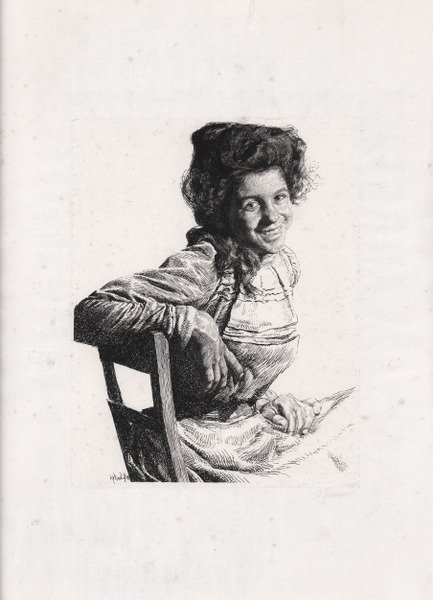
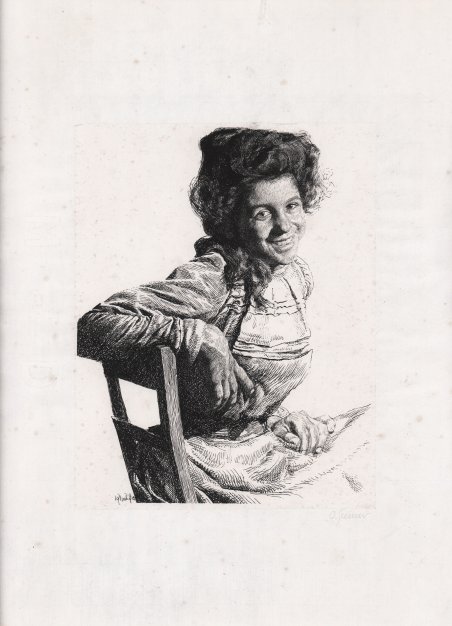
Civetta dal Colosseo

1901

525,00 €

Antiquarius Libreria

(Roma, Italie)

Demander plus d'informations

Mode de Paiement

Détails

Année
1901
Format
200 X 250
Graveurs
GREINER Otto

Description

Litografia, 1901, firmata in lastra in basso a sinistra, e, a matita, in basso a destra “O. Greiner”. Otto Greiner (Lipsia 1869 – Monaco 1916) appartiene a quella folta schiera di artisti tedeschi – i cosiddetti “Deutsch-Römer” – profondamente innamorati dell’Italia, i quali a partire dalla metà dell’Ottocento scelsero Roma e le zone circostanti (Anticoli Corrado ' in primis) come luogo in cui vivere e operare, all’insegna di un mito romantico che ha origine nel Grand Tour. Attivo in Italia nel ventennio tra il 1895 e il 1915, momento cruciale per la storia dell’arte moderna, Otto Greiner fu a stretto contatto con l’ambiente artistico a lui contemporaneo, influenzando personalità di rilievo, tra cui, come riferisce nelle sue memorie il pittore Gino Severini, anche il geniale Umberto Boccioni nella fase prefuturista. Greiner nel primo decennio del Novecento realizzò numerosi pastelli e alcune incisioni raffiguranti sorridenti modelli locali in posa, come la Civetta del Colosseo. Bibliografia E. Bardazzi, M. Carrera, Otto Greiner e l’Italia, alla ricerca del mito nella terra del sole, n. 20. Lithograph, 1901, signed in the lower left corner of the plate, and, in pencil, lower right "O. Greiner". Otto Greiner (Leipzig 1869 - Munich 1916) belongs to that large group of German artists - the so-called "Deutsch-Römer" - who were deeply in love with Italy, and who from the mid-nineteenth century chose Rome and the surrounding areas (Anticoli Corrado in primis) as a place to live and work, under the banner of a romantic myth that originated in the Grand Tour. Active in Italy in the twenty years between 1895 and 1915, a crucial moment in the history of modern art, Otto Greiner was in close contact with the artistic environment of his time, influencing important personalities, including, as reported in his memoirs by the painter Gino Severini, even the brilliant Umberto Boccioni in the prefuturist phase. Greiner in the first decade of the twentieth century made numerous pastels and some engravings depicting smiling local models in pose, such as the Civetta del Colosseo. Bibliografia E. Bardazzi, M. Carrera, Otto Greiner e l’Italia, alla ricerca del mito nella terra del sole, n. 20. Cfr.
Logo Maremagnum fr