Questo sito usa cookie di analytics per raccogliere dati in forma aggregata e cookie di terze parti per migliorare l'esperienza utente.
Leggi l'Informativa Cookie Policy completa.

Sei in possesso di una Carta del Docente o di un Buono 18App? Scopri come usarli su Maremagnum!

Libri antichi e moderni

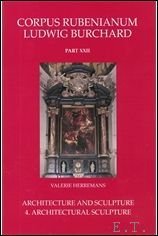
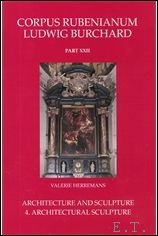
Valerie Herremans

Architectural Sculpture, Corpus Rubenianum Ludwig Burchard ; XXII(4)

, Brepols - Harvey Miller, 2019,

160,00 €

Erik Tonen Books

(Antwerpen, Belgio)

Parla con il Libraio

Metodi di Pagamento

Dettagli

Autore
Valerie Herremans
Editori
, Brepols - Harvey Miller, 2019
Soggetto
17e-eeuwse kunst, 17th century art, art du 17ieme siecle, 17e-eeuwse kunst

Descrizione

Hardcover with dusjacket, 380 pages ., 132 b/w ill. + 49 colour ill., 180 x 265 mm, Languages: English. ISBN 9781912554317. Painted altarpieces form an important and familiar part of Peter Paul Rubens?s substantial oeuvre. Much less widely known is the fact that Rubens's involvement in such commissions sometimes went beyond the paintings themselves, and that he also designed sculptural framing and decorative surrounds for his patrons. There are several examples of designs by Rubens for sepulchral monuments too. These altar surrounds and tombs belong to the category of architectural sculpture . comprising the elements of the orders of architecture and their free application on the one hand, and monumental figurative or ornamental sculptural elements on the other. This was a visual language in which Rubens was especially well versed, and he drew on it not only in his paintings but also in his designs for tapestries, title-pages, book illustrations and ephemeral decorations. Rubens?s designs for architectural sculpture were more than just a natural extension of his own artistic activities: they fulfilled a need in the design practice of the sculptors and architects of the period who executed the works. Hans van Mildert, for example, regularly turned to designs by his friend Rubens. Evidence is found in both Van Mildert?s own work and that of Rubens himself of a design and workshop practice with, at its core, a collection of models that represented the intellectual capital of each of the artists concerned. The architectural sculpture that Rubens designed is also an expression and application of his personal views on art theory, which centred on the study of sculpture by painters and defined how they ought to render it in their own work. As elsewhere in his oeuvre, Rubens?s inspiration for the visual language he brought to bear in this area was frequently drawn from celebrated examples from antiquity and sixteenth-century Italy.
Logo Maremagnum it