Pyndari Bellum Troianum ex Homero. Maphaei Veggii Astyanax. Epigrammata quaedam
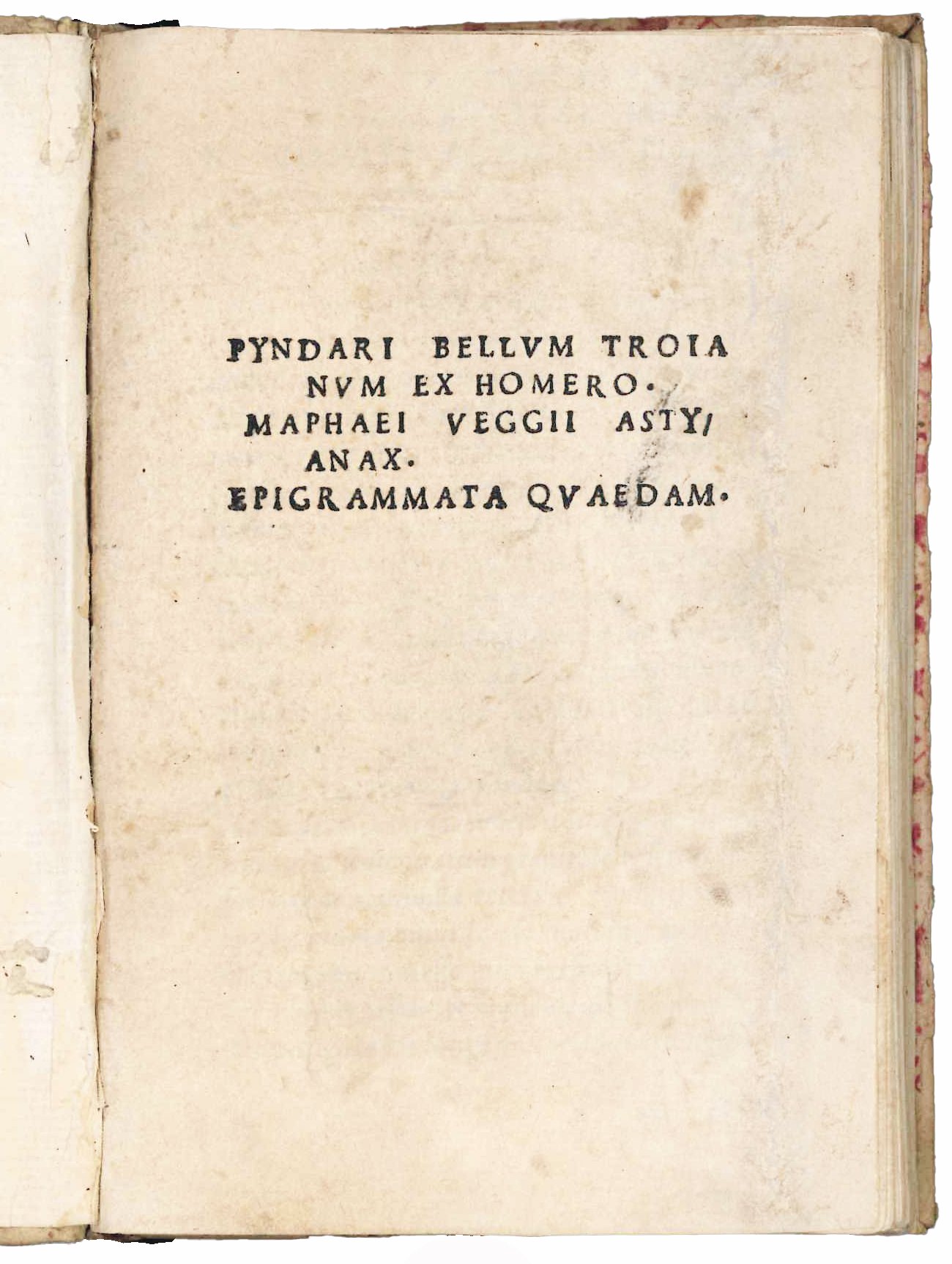
Pyndari Bellum Troianum ex Homero. Maphaei Veggii Astyanax. Epigrammata quaedam
Metodi di Pagamento
- PayPal
- Carta di Credito
- Bonifico Bancario
- Pubblica amministrazione
- Carta del Docente
Dettagli
- Anno di pubblicazione
- [1505]
- Luogo di stampa
- [Fano]
- Autore
- BAEBIUS ITALICUS (fl. 1st cent.), VEGIO, Maffeo (1407-1458), e
- Editori
- [Girolamo Soncino]
- Soggetto
- Quattro-Cinquecento
- Stato di conservazione
- Buono
- Lingue
- Italiano
- Legatura
- Rilegato
- Condizioni
- Usato
Descrizione
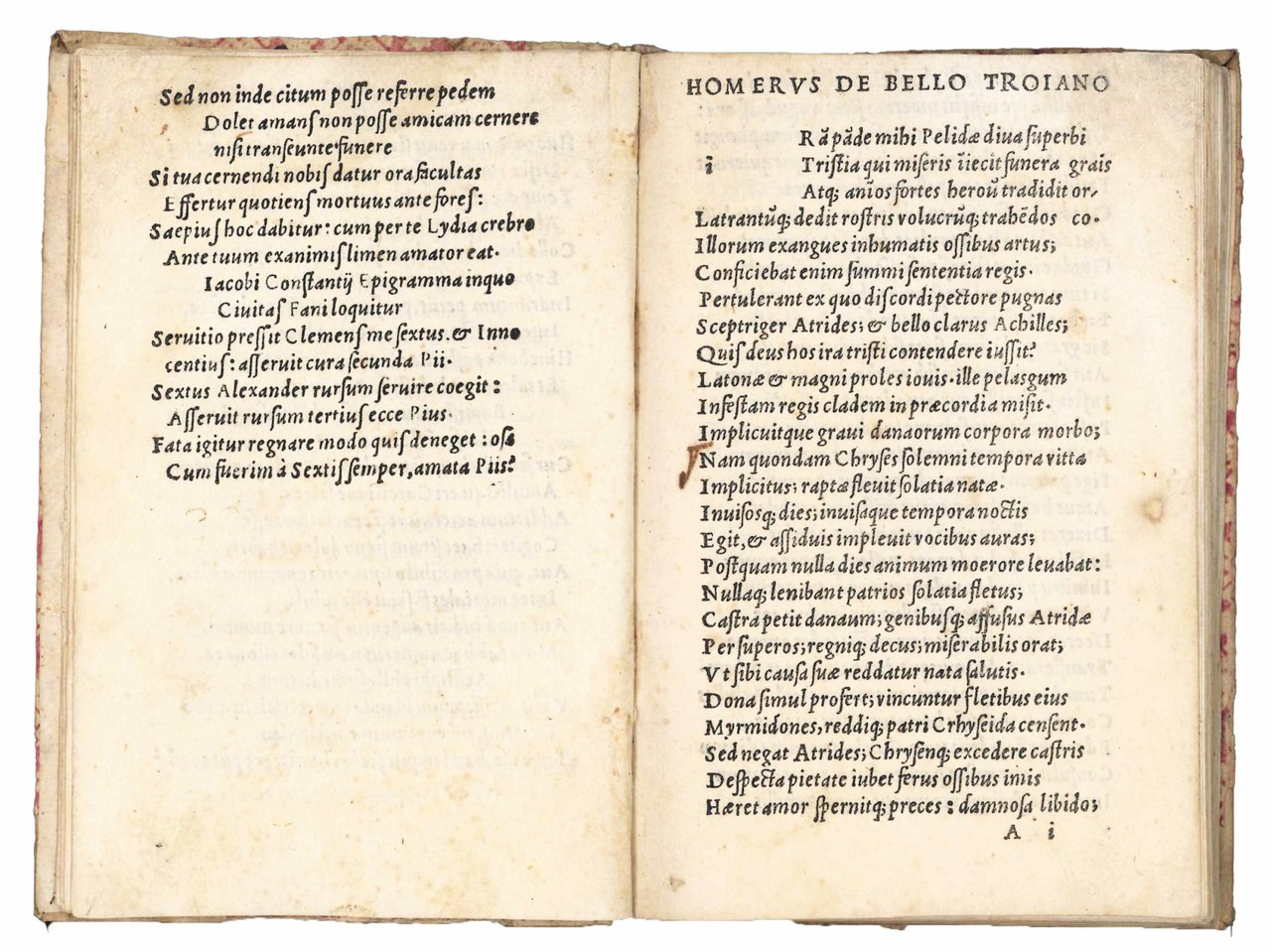
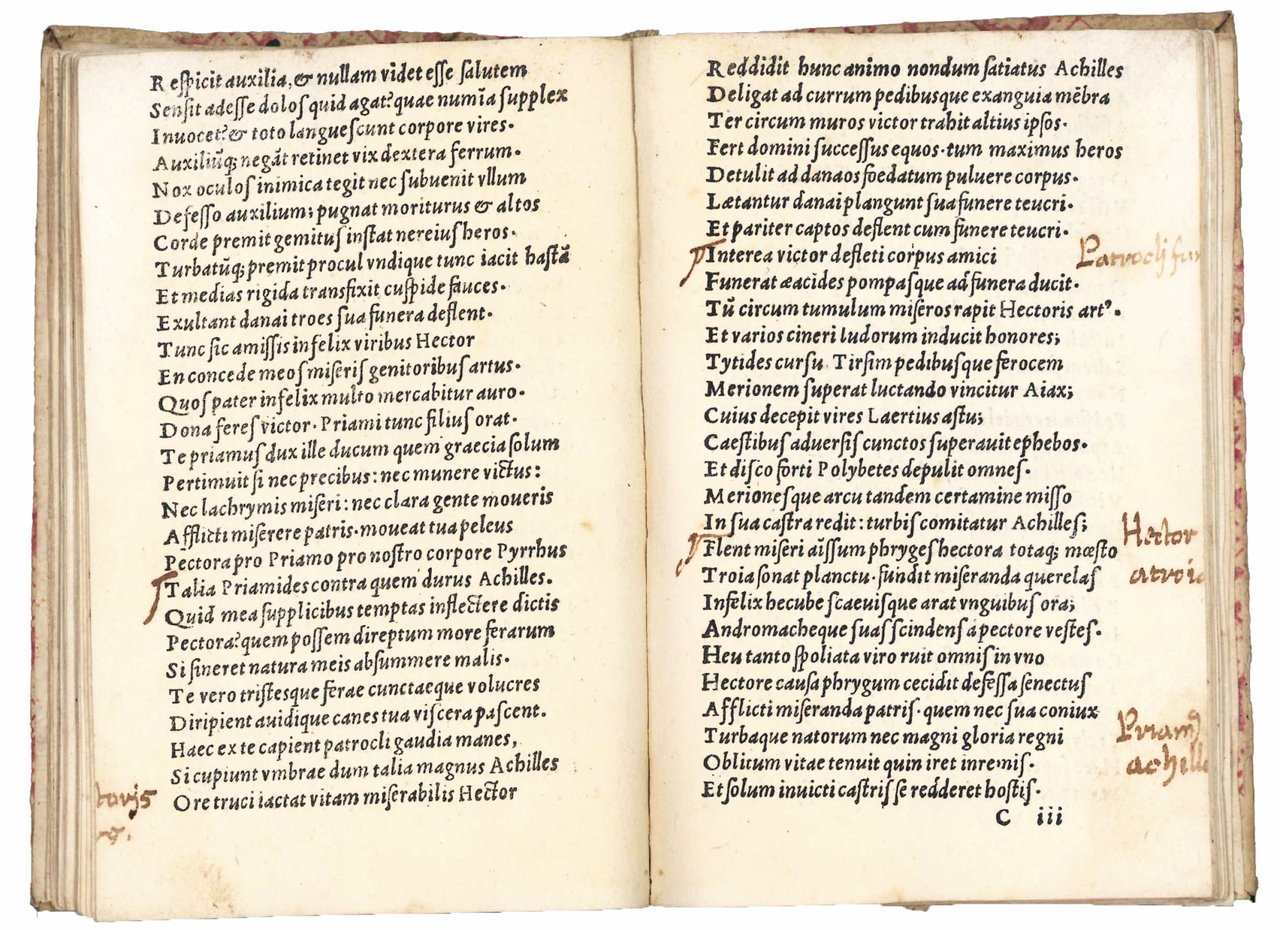
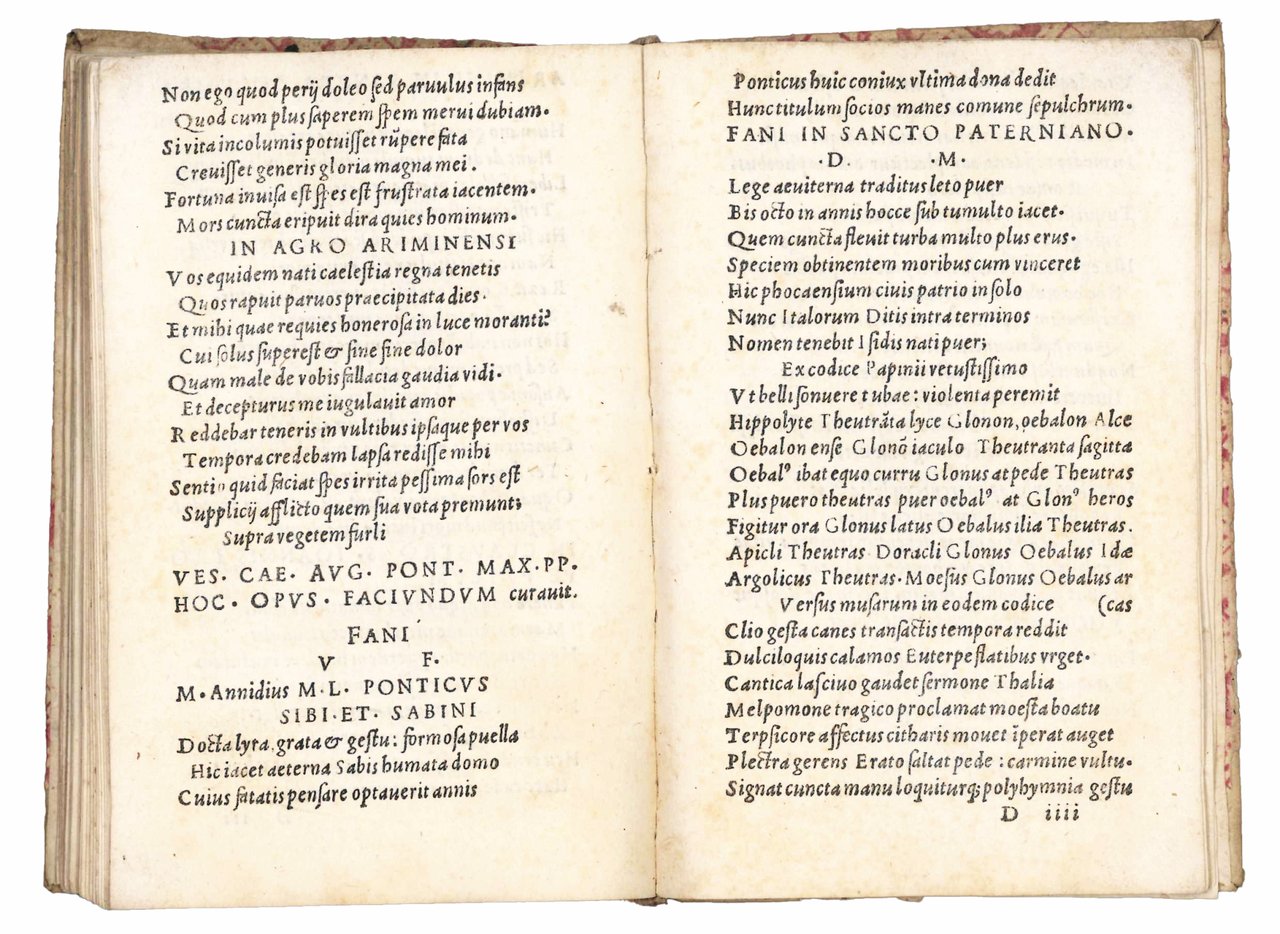
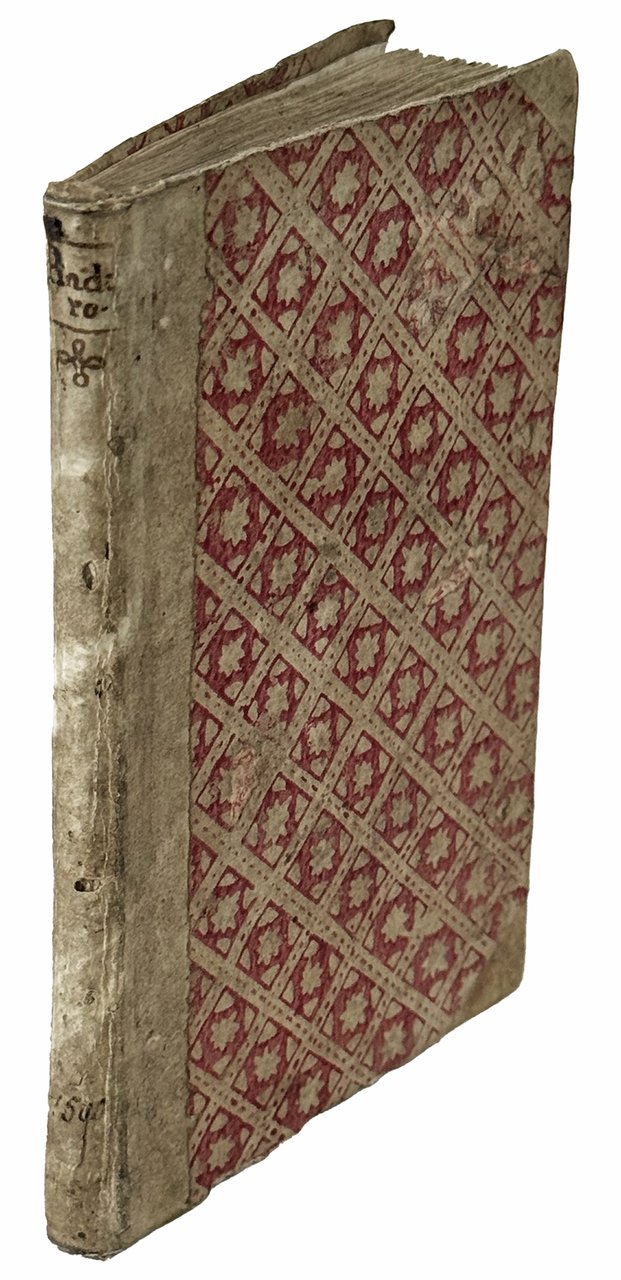
8vo (138x91 mm). [36] leaves. Collation: †4 A-D8. Roman and italic types. Later half vellum with inked title on spine. A few contemporary marginal annotations (trimmed) and reading signs. Title page remargined, some marginal staining and foxing, margins cut short. Printed on thick paper.
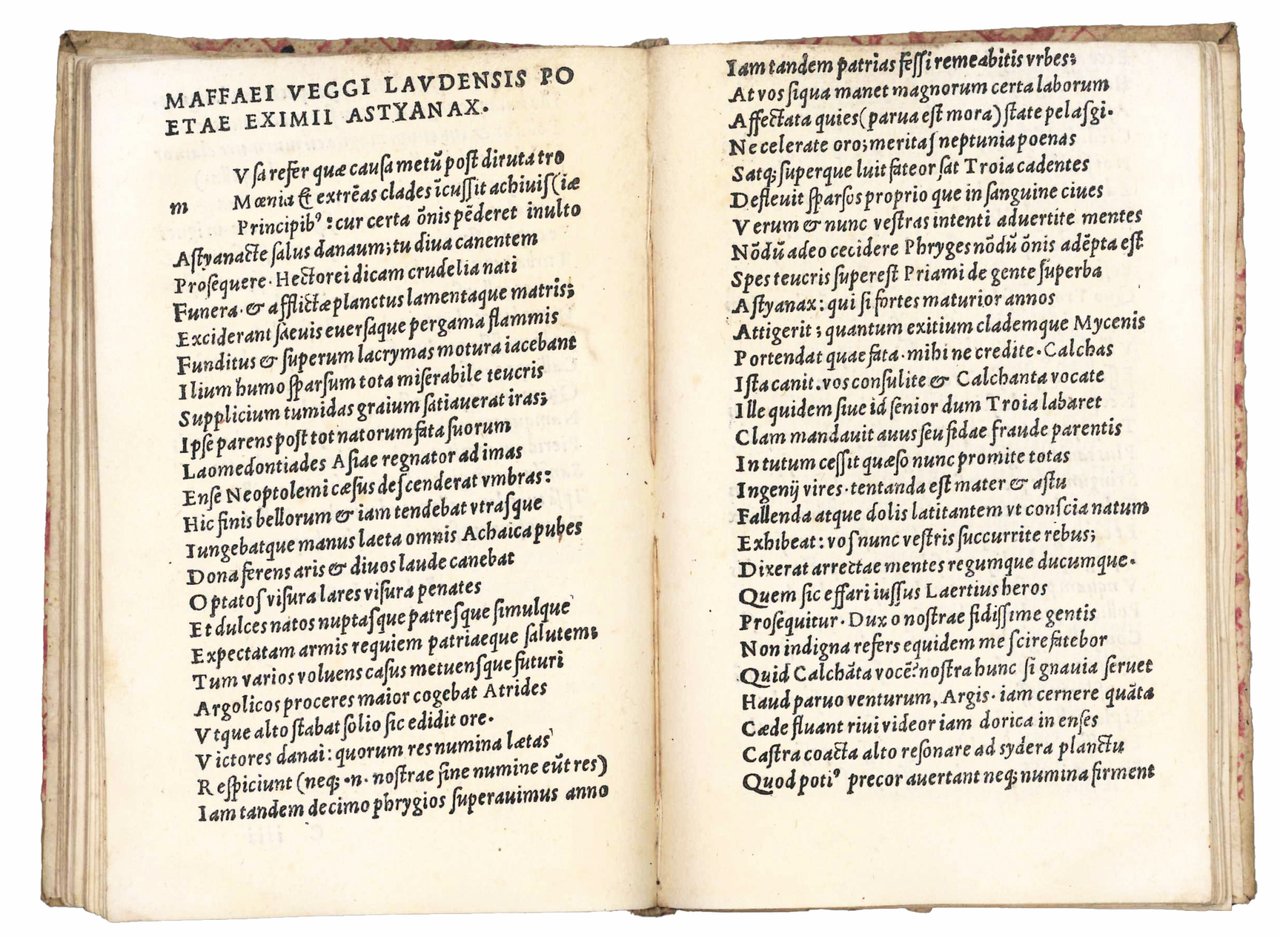
First Soncino edition, edited and dedicated by Laurentius Abstemius (Lorenzo Bevilacqua, c. 1440-1508) to Ramberto Malatesta from Fano on 30 April 1505 (ex urbe Fanestri pridie kl. Maij MDV), of this collection of texts (a second edition was issued in Fano by Soncino in 1515), which include the so-called Ilias Latina (‘Latin Iliad', a brief abridgment of Homer's Iliad in 1,070 Latin hexameters written between 59 and 68), variably attributed to Baebius Italicus (a 1st-century magistrate who served as governor of Lycia, quaestor of Cyprus, and legate of Augustus in the East, who disguises himself under the fictitious names of Pindarus, Pindarus Thebanus, or Pindarus Ausonius) or to the poet Gaius Silius Italicus (26-101) (cf. M. Scaffai, ed., Baebii Italici Ilias Latina, Bologna, 1997). The booklet also contains Maffeo Vegio's Astynax (also known as De morte Astyanactis), a poem on the death of Hector's son and the grief of Andromache written in 1430 and first published in Cagli in 1475, and a series of classical and humanistic epigrams by Meleager (translated by Giacomo Costanzi), Sidonius Apollinaris, Pomponio Leto, and Tito Vespasiano Strozzi. Of particular historical relevence are also the ancient inscriptions that the editor Abstemius carefully transcribed from ancient monuments in the Fano and Rimini area, as most of these monuments have been lost or damaged today.
Maffeo Vegio, a native of Lodi, studied humanities in Milan and law in Pavia. For about ten years he taught poetry and jurisprudence at the University of Pavia. In 1436, he moved to Rome, where he became an enthusiastic promoter of the revival of letters and Pope Eugenius IV appointed him Secretary of Papal Briefs, and later Apostolic Datary and a canon of St. Peter's. He left behind a large body of work in both verse and prose, some of which remained unpublished. The most important of his works are: a continuation of Virgil's Aeneid (written 1428, published 1471); the Liber de significatione verborum in iure civili (written 1433, published 1477), in which he explains many terms from the Digest; the De educatione liberorum et eorum claris moribus libri VI (written 1443, published 1491), a pedagogical work in which Christian moral and religious concerns do not obscure the humanist ideal of cultural education; the De rebus antiquis memorabilibus basilicae S. Petri Romae (written 1455-1457), an important early study of Christian archaeology. Vegio died in Rome in 1458 (cf. P. McCormick, Maffeo Vegio, in: “The Catholic Encyclopedia”, vol. 15, New York, 1912, s.v.).
Edit 16, CNCE32807; G. Manzoni, Annali tipografici dei Soncino, Bologna, 1883, II, pp. 85-88, no. 17.
