Tractatus vere aureus de advocato, et causidico christiano in duas partes divisus.\r\n.
Tractatus vere aureus de advocato, et causidico christiano in duas partes divisus.\r\n. | Libri antichi e moderni | Ala, Giovanni Pietro.
Tractatus vere aureus de advocato, et causidico christiano in duas partes divisus.\r\n.
Tractatus vere aureus de advocato, et causidico christiano in duas partes divisus.\r\n. | Libri antichi e moderni | Ala, Giovanni Pietro.
Metodi di Pagamento
- PayPal
- Carta di Credito
- Bonifico Bancario
- Pubblica amministrazione
- Carta del Docente
Dettagli
- Anno di pubblicazione
- 1610
- Autore
- Ala, Giovanni Pietro.
- Collana
- Primae partis, secunda editio.
- Editori
- Apud Marc. Antonium Belpierum, Cremonae.
Descrizione
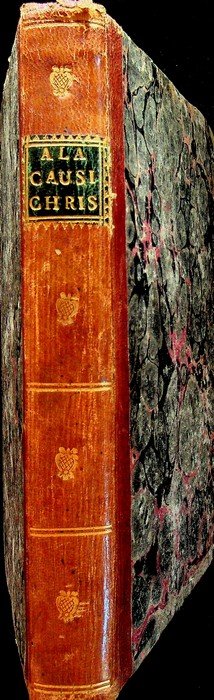
2 parti legate in unico v. ([16], 119, [1]; [20], 155, [1] p.), 8º(21 cm), piacevole legatura in mezza pelle di fine Settecento ca. con punte, piatti marmorizzati e tassello in altra pelle al dorso con titoli oro, tagli spruzzati. Condizioni : USATO - Stato : Buono, ordinari segni d'uso e del tempo. Altre note : Marca (Orfeo, con una corona d'alloro sulla testa, suona la lira in mezzo al bosco ed incanta gli animali. In una cornice figurata) sui frontespizi. The Cremona-born Giovanni Pietro Ala, writing in his Tractatus brevis de advocato et causidico christiano, felt that it was wiser to subscribe to Saint Thomas’s theory that «ne falsitate, aut mendacio adiuvent causam». Giovanni Pietro Ala attempted to restore prestige to jurists who held university degrees by holding underqualified practitioners responsible for the violation of professional norms: to that end, he attributed the infiniti errores committed in the Court of Cremona – «in responsione ad positiones partis contrariae» – to the slyness and negligence of causidici. According to Ala, the procuratores who took on the defense of cases without a lawyer’s assistance would frequently counsel their clients to deny the facts, if they did not do it themselves when summoned to act in nomine clientis. In particular, causidici were known to routinely dispute the content of documents that they themselves had drawn up in their capacity as notaries: not only did they not want to corroborate their opponent’s case with their own statements, but above all, this would force the parties who had to fulfill the burden of proof to pay the notarial fees needed to obtain certified copies of the documents. Rare.