Delle basiliche antiche e specialmente di quella di Vicenza
Delle basiliche antiche e specialmente di quella di Vicenza | Libri antichi e moderni | ARNALDI, Enea (1716-1794)
Delle basiliche antiche e specialmente di quella di Vicenza
Delle basiliche antiche e specialmente di quella di Vicenza | Libri antichi e moderni | ARNALDI, Enea (1716-1794)
Metodi di Pagamento
- PayPal
- Carta di Credito
- Bonifico Bancario
- Pubblica amministrazione
- Carta del Docente
Dettagli
- Anno di pubblicazione
- 1769
- Luogo di stampa
- Vicenza
- Autore
- ARNALDI, Enea (1716-1794)
- Editori
- Francesco Vendramini Mosca
- Soggetto
- Miscellanea di opere minori
- Stato di conservazione
- Buono
- Lingue
- Italiano
- Legatura
- Rilegato
- Condizioni
- Usato
Descrizione
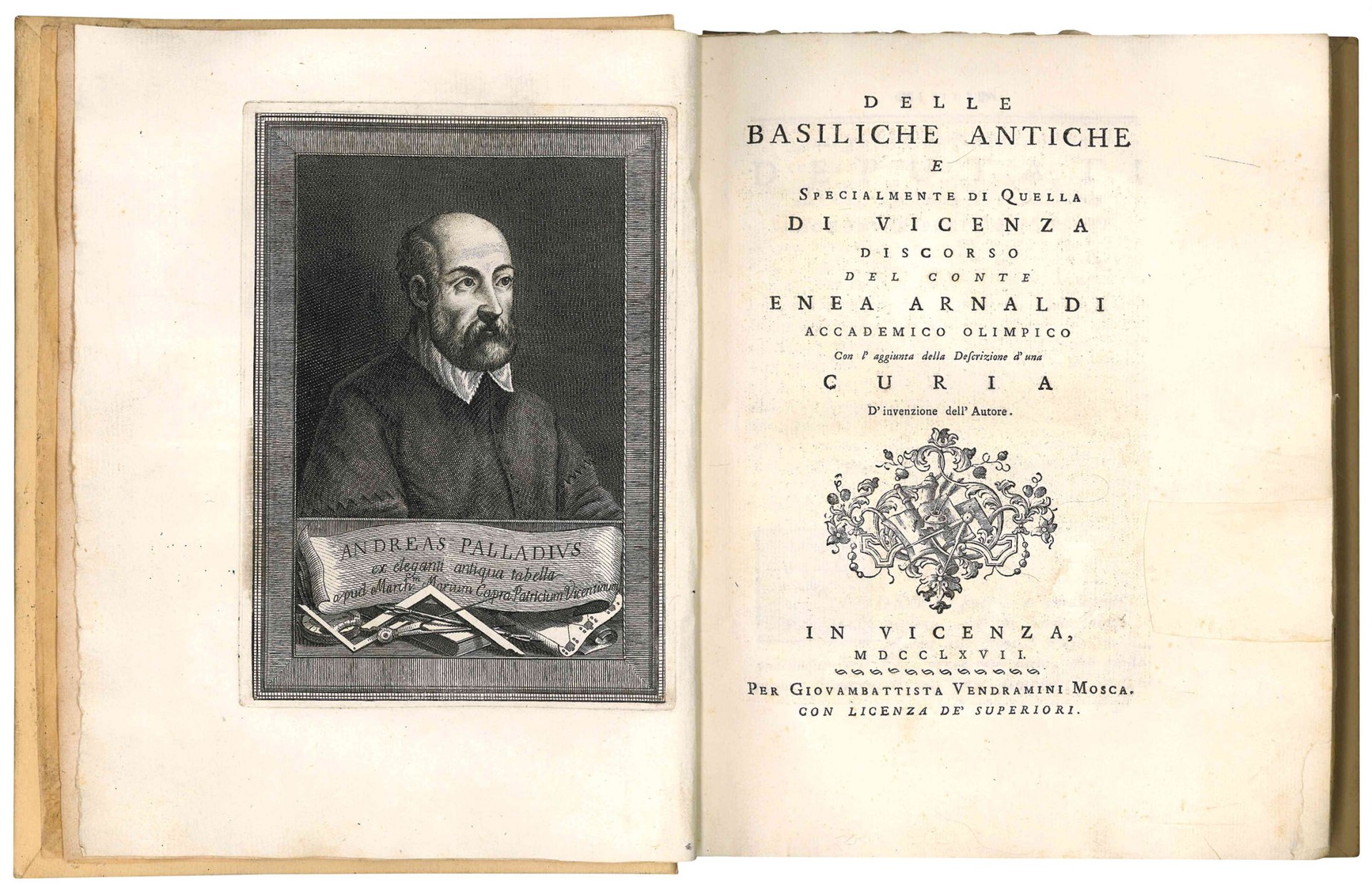
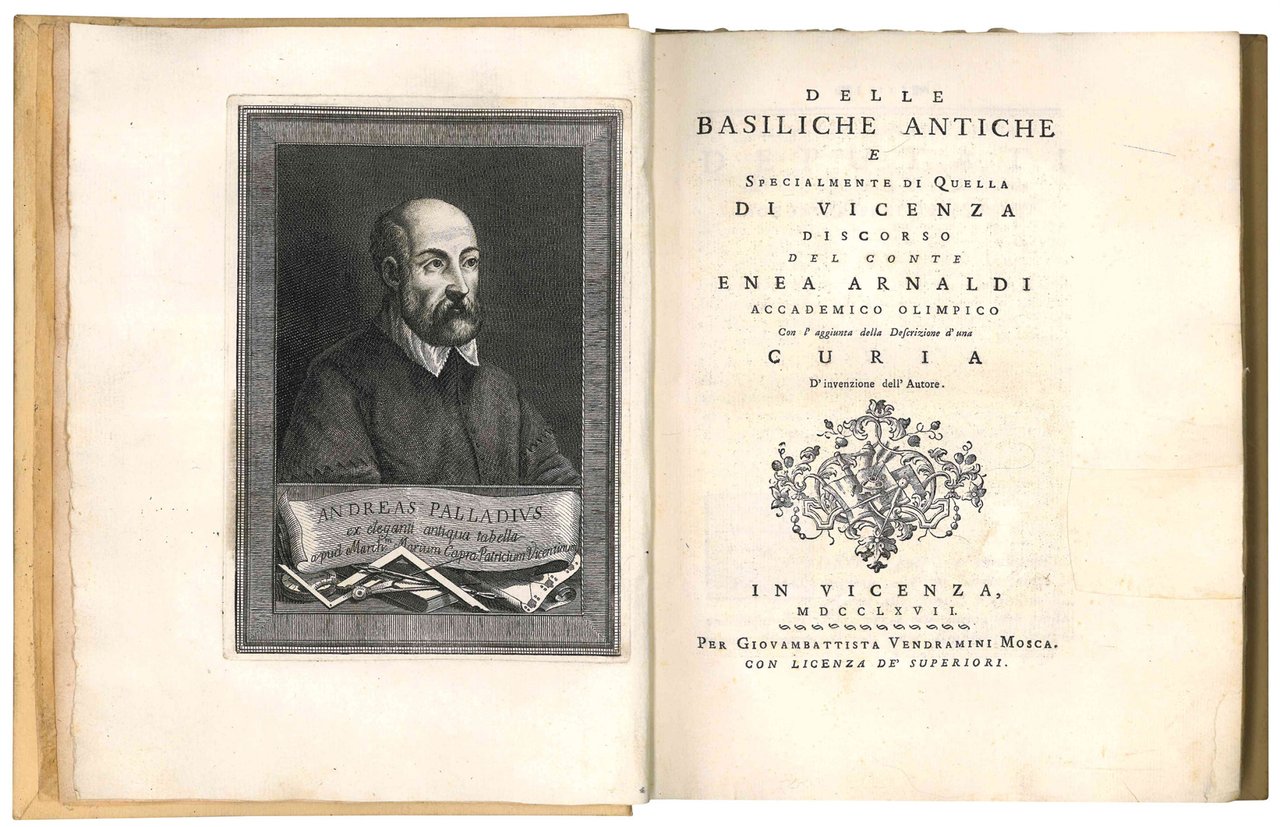
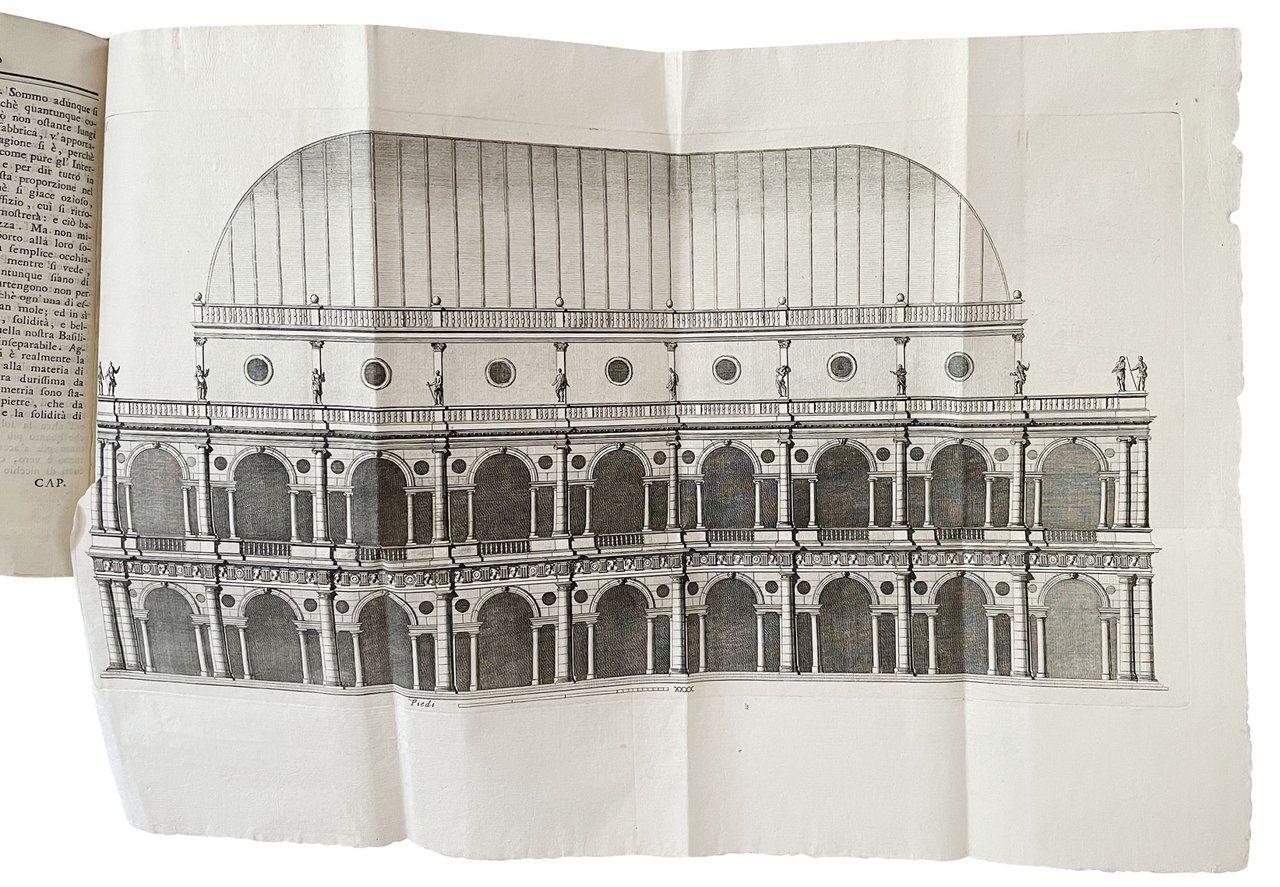
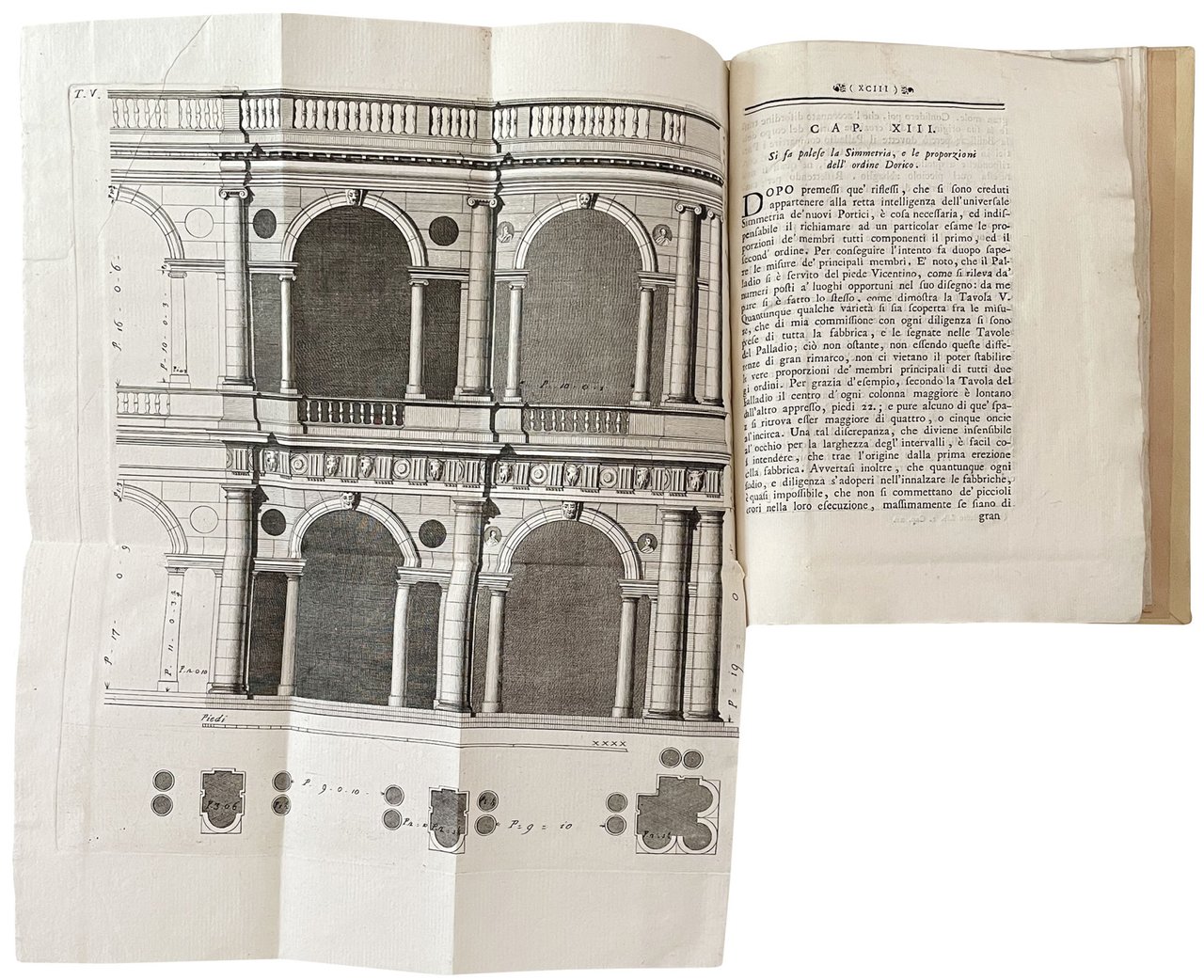
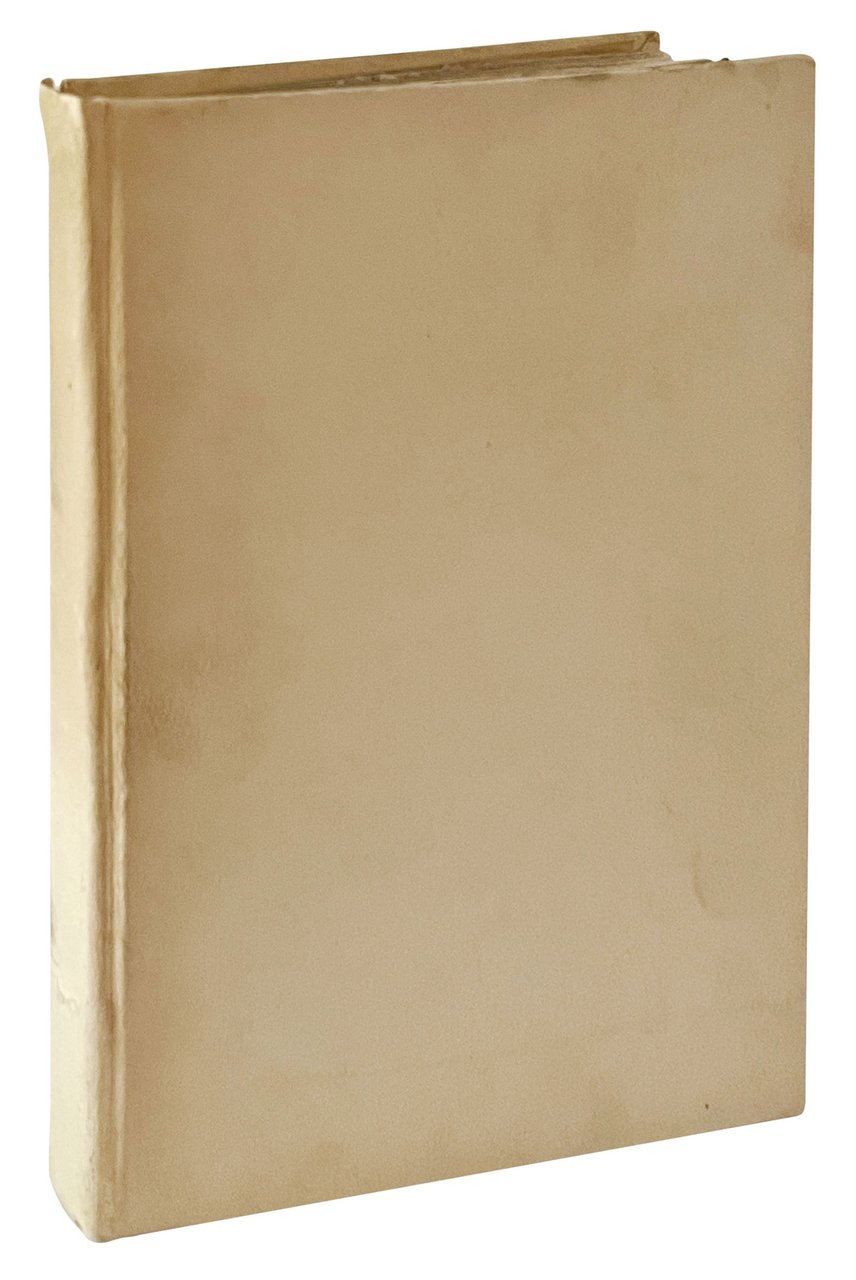
4to (240 x 180 mm). [1], VIII, CXXXIV [of CXXXV, 1] pp. and VIII folding plates depicting architectures designed by Andrea Palladio. Collation: *4 A-R4. Lacking the final leaf R4 with part of the index. Engraved portrait of Andrea Palladio from a drawing of Marco Capra, a painter from Vicenza. Modern cardboards. Woodcut historiated initials and head- and tail-pieces. Restoration to the title page not affecting the printer's device of Giovambattista Vendramini Mosca, some marginal paper loss on a few leaves not affecting the text, small marginal tears on three plates, otherwise a good, uncut copy.
Second corrected edition. The treatise was first issued by Giovanni Battista Vendramini Mosca in 1767.
Published in Vicenza by the Vendramini Mosca press, Delle basiliche antiche e specialmente di quella di Vicenza is a seminal eighteenth-century architectural treatise dedicated to the historical evolution of the civic basilica and the legacy of Andrea di Pietro della Gondola, mostly known ad Andrea Palladio. Widely regarded as the most influential architect in Western history, Andrea Palladio (1508–1580) revolutionized Renaissance design by seamlessly adapting classical Roman symmetry, proportion, and Vitruvian rules to early modern civic and domestic structures. His innovative villas across the Veneto mainland and his monumental Venetian churches transformed the regional landscape, while his seminal 1570 treatise, I quattro libri dell'architettura, codified his structural principles and exported the enduring aesthetic movement known as Palladianism globally. Written in the context of the Late Enlightenment Neo-Palladian revival, the work "Delle basiliche antiche e specialmente di quella di Vicenza", offers a scholarly defense and aesthetic analysis of Palladio's masterwork, the "Basilica Palladiana" in Vicenza. Arnaldi meticulously contrasts ancient Roman basilicas, traditionally functioning as courts of justice and marketplaces, with early modern ecclesiastical and civil structures. The volume is highly prized for its exceptional illustrative apparatus, which features an engraved portrait frontispiece of Andrea Palladio followed by eight large, complex folding plates illustrating architectural plans, elevations, and structural solutions, including Arnaldi's own idealized architectural design for a modern judicial court (Curia).
The author, Count Enea Arnaldi (1716–1794), was a prominent Vicentine aristocrat, intellectual, and academic architect who served as a leading figure in the Accademia Olimpica. A fierce champion of strict Vitruvian and Palladian orthodoxy, Arnaldi dedicated much of his career to preserving the Renaissance architectural identity of Vicenza against contemporary Baroque and Rococo influences.
Italian Union Catalogue, IT\ICCU\VBAE\001356; Cicognara, 876: "Operetta dottissima". Lozzi, 6392.