Fiori di ricami nuovamente posti in luce ne i quali sono varii et diversi dissegni di lavori; Come Merli, Bavari, Manichetti, & altre sorti di opere, che al presente sono in uso, utilissimi ad ogni stato di Donne. Terza impressione
Fiori di ricami nuovamente posti in luce ne i quali sono varii et diversi dissegni di lavori; Come Merli, Bavari, Manichetti, & altre sorti di opere, che al presente sono in uso, utilissimi ad ogni stato di Donne. Terza impressione | Libri antichi e moderni | PASINI, Tommaso (fl. 1587-1595)
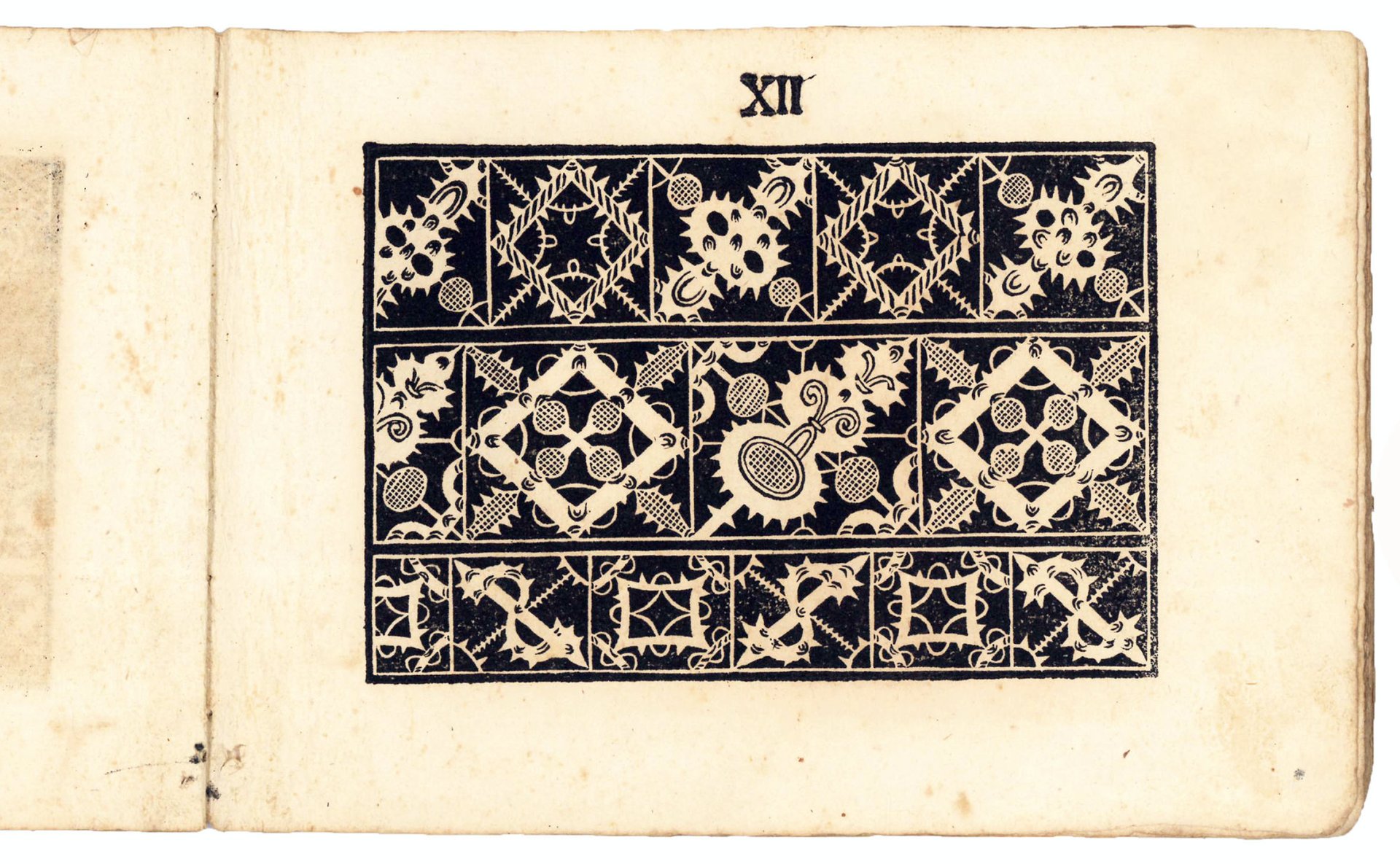
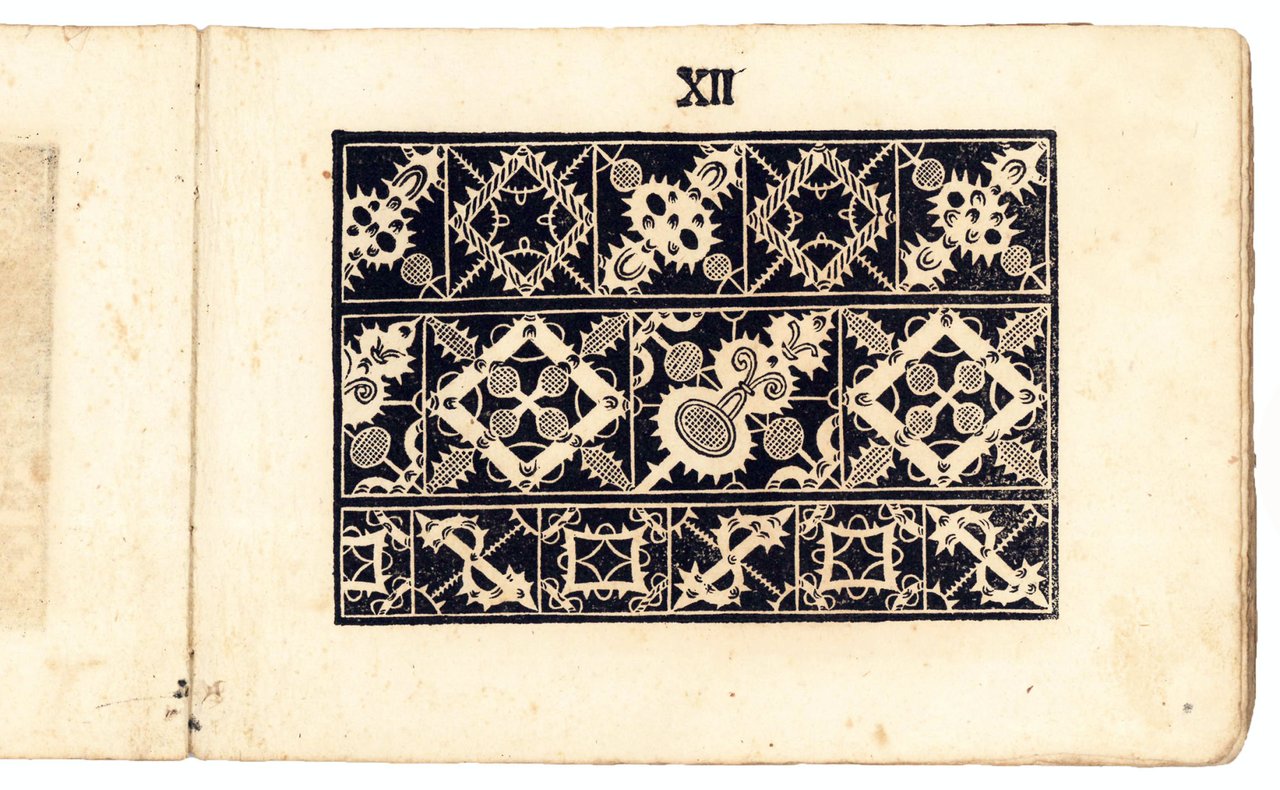
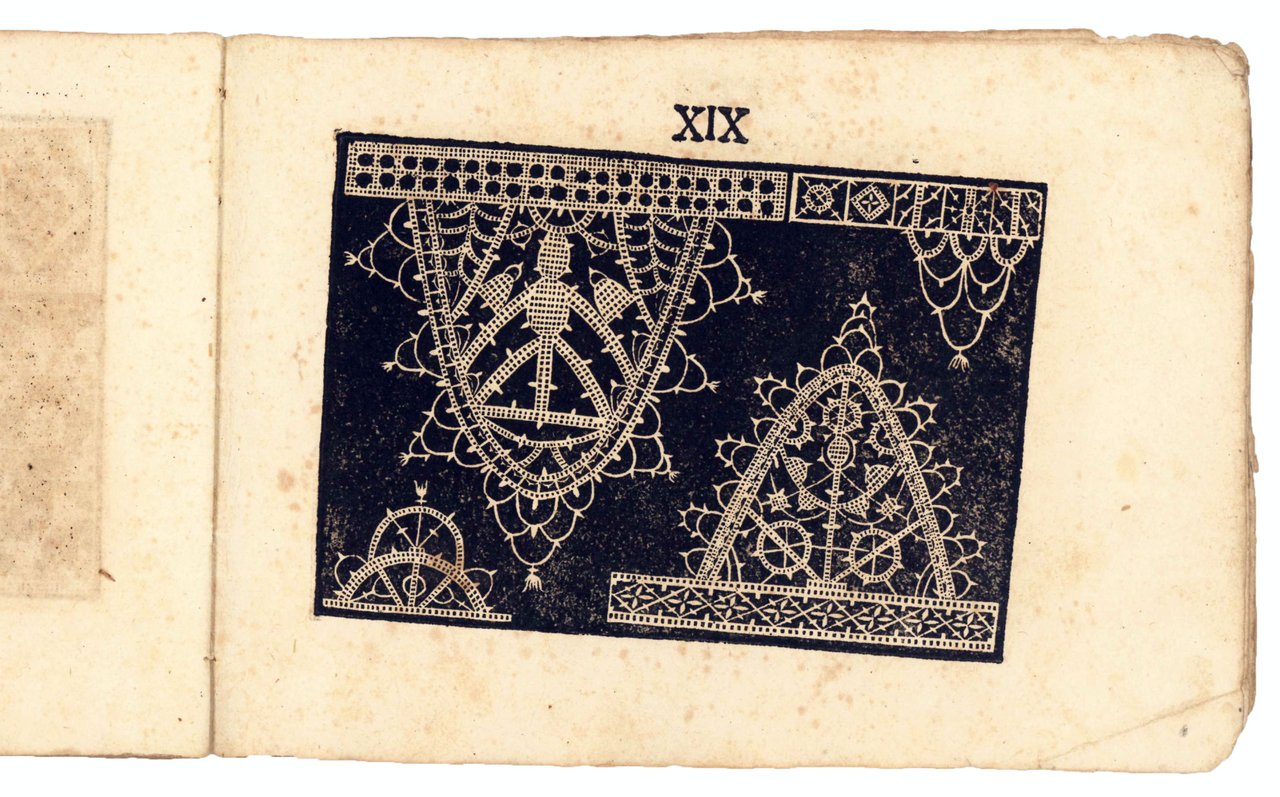
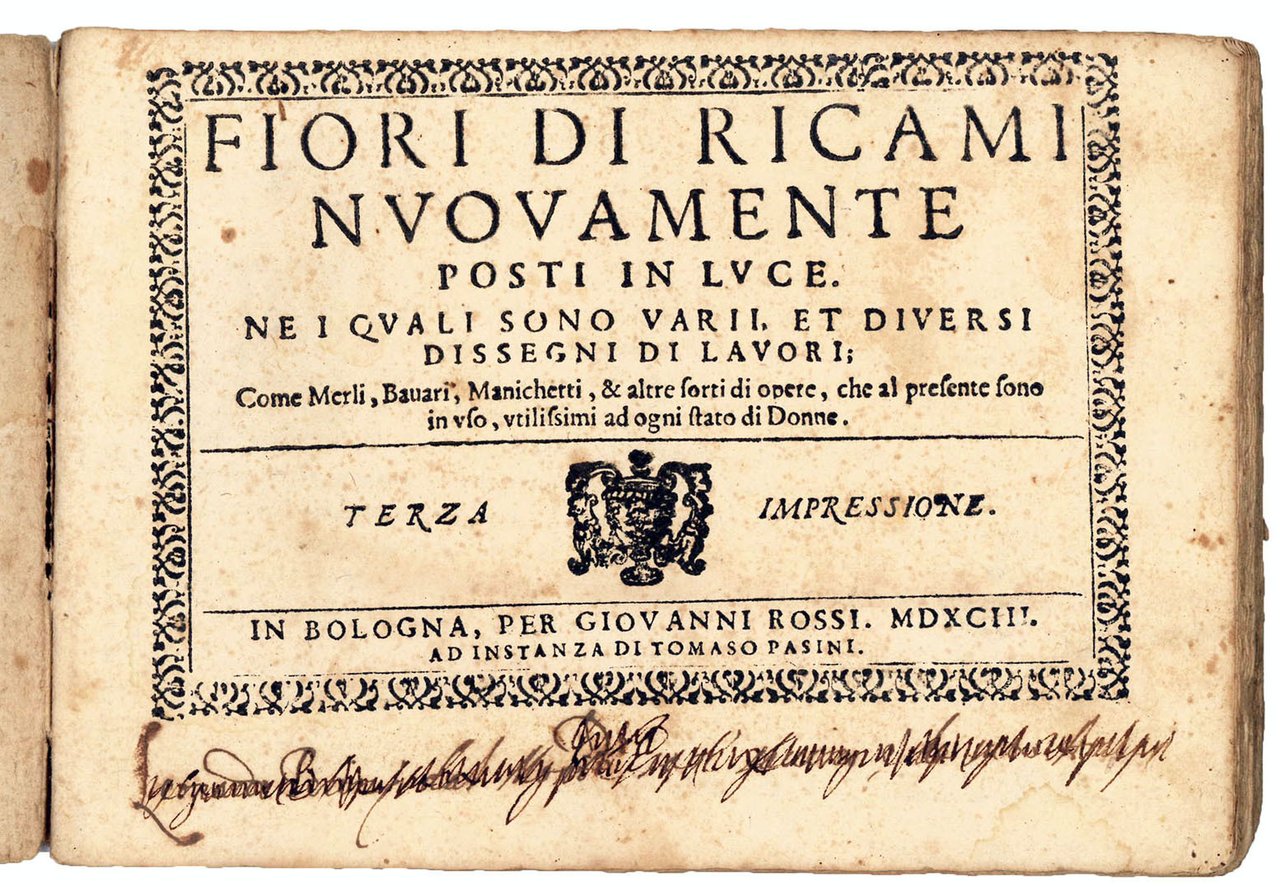
Fiori di ricami nuovamente posti in luce ne i quali sono varii et diversi dissegni di lavori; Come Merli, Bavari, Manichetti, & altre sorti di opere, che al presente sono in uso, utilissimi ad ogni stato di Donne. Terza impressione
Fiori di ricami nuovamente posti in luce ne i quali sono varii et diversi dissegni di lavori; Come Merli, Bavari, Manichetti, & altre sorti di opere, che al presente sono in uso, utilissimi ad ogni stato di Donne. Terza impressione | Libri antichi e moderni | PASINI, Tommaso (fl. 1587-1595)
Metodi di Pagamento
- PayPal
- Carta di Credito
- Bonifico Bancario
- Pubblica amministrazione
- Carta del Docente
Dettagli
- Anno di pubblicazione
- 1593
- Luogo di stampa
- Bologna
- Autore
- PASINI, Tommaso (fl. 1587-1595)
- Editori
- Giovanni Rossi for Tommaso Pasini
- Soggetto
- Quattro-Cinquecento
- Stato di conservazione
- Buono
- Lingue
- Italiano
- Legatura
- Rilegato
- Condizioni
- Usato
Descrizione
THE ONLY KNOWN COPY
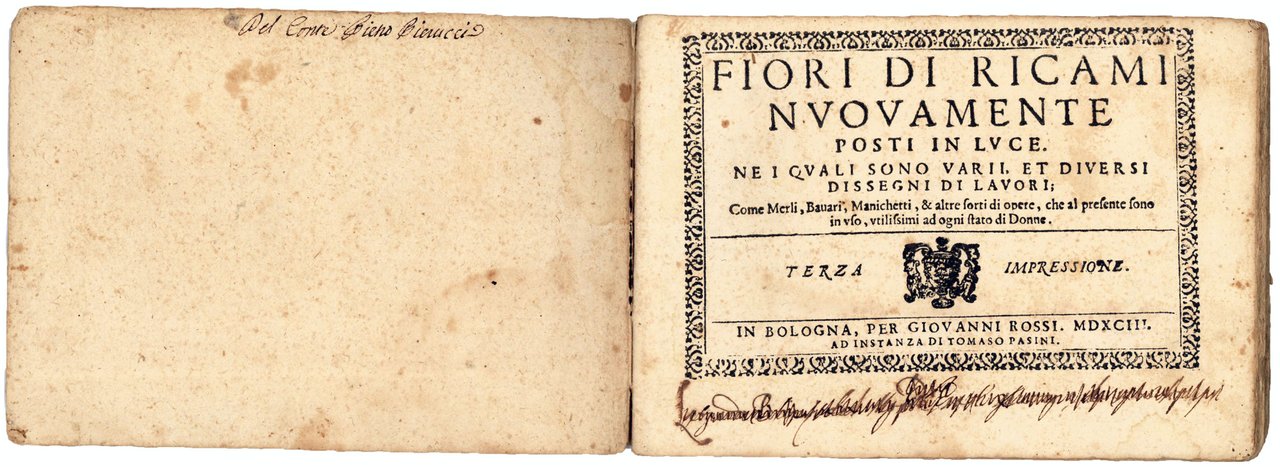
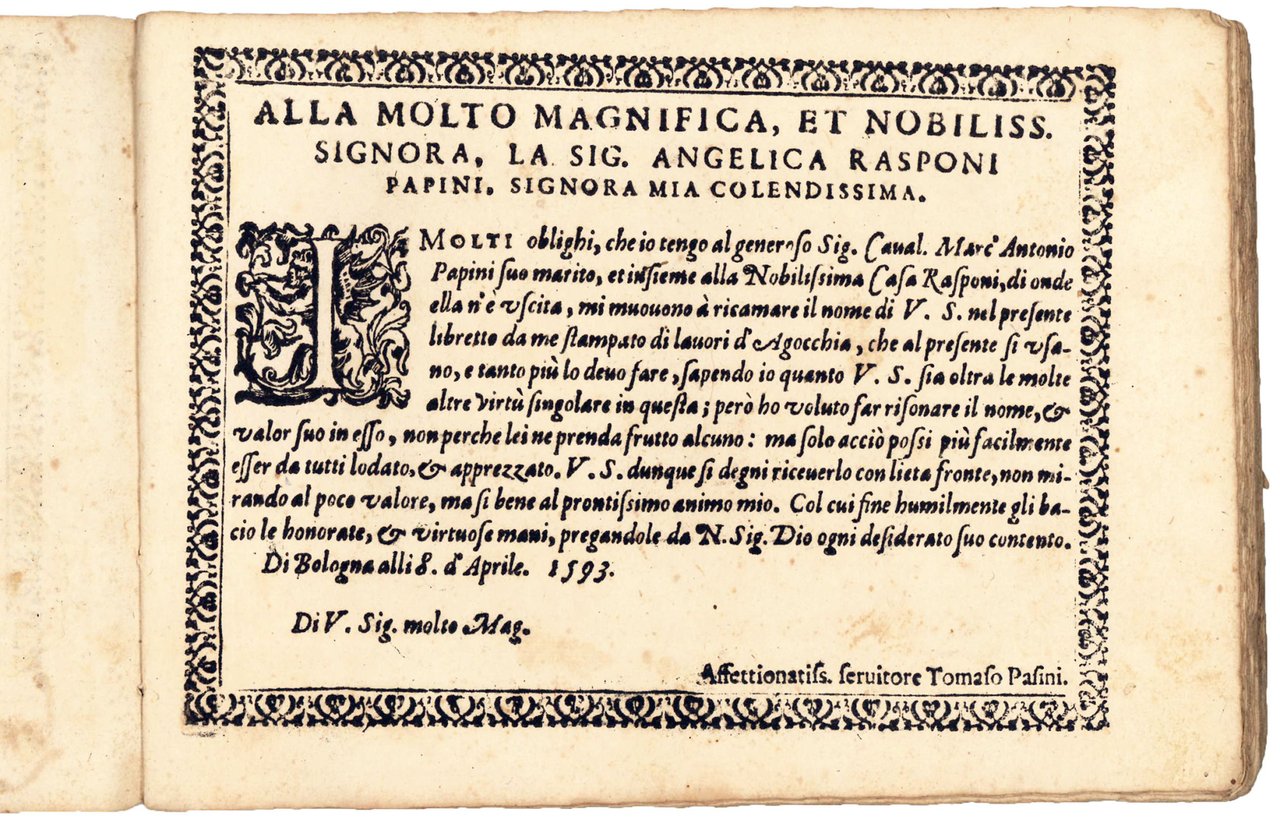
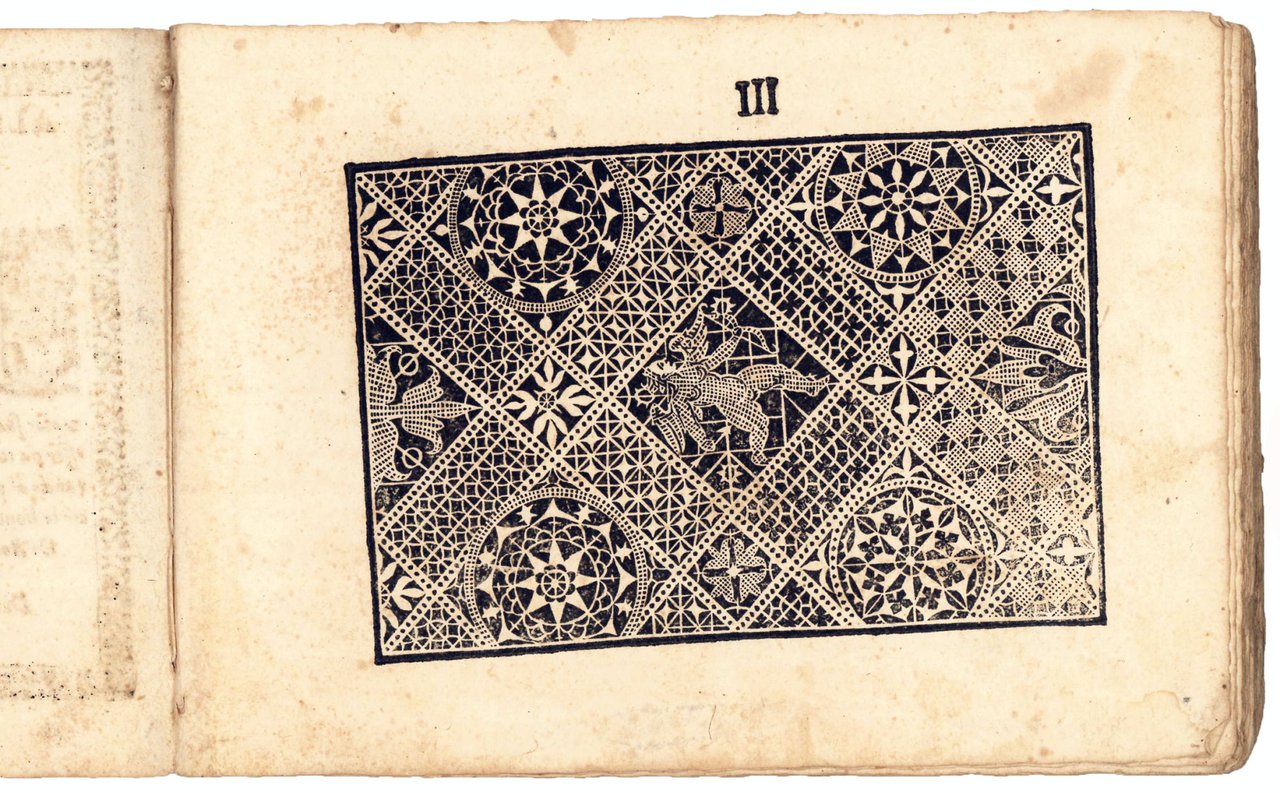
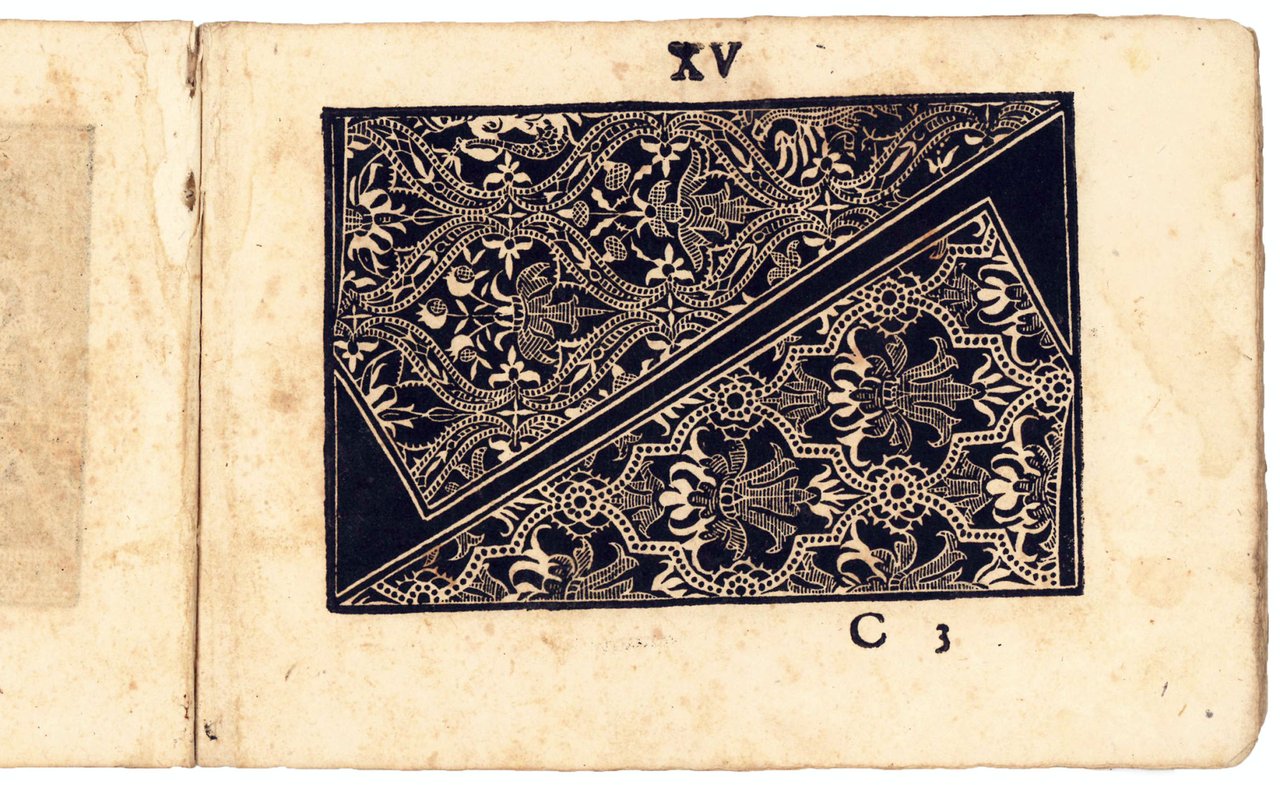
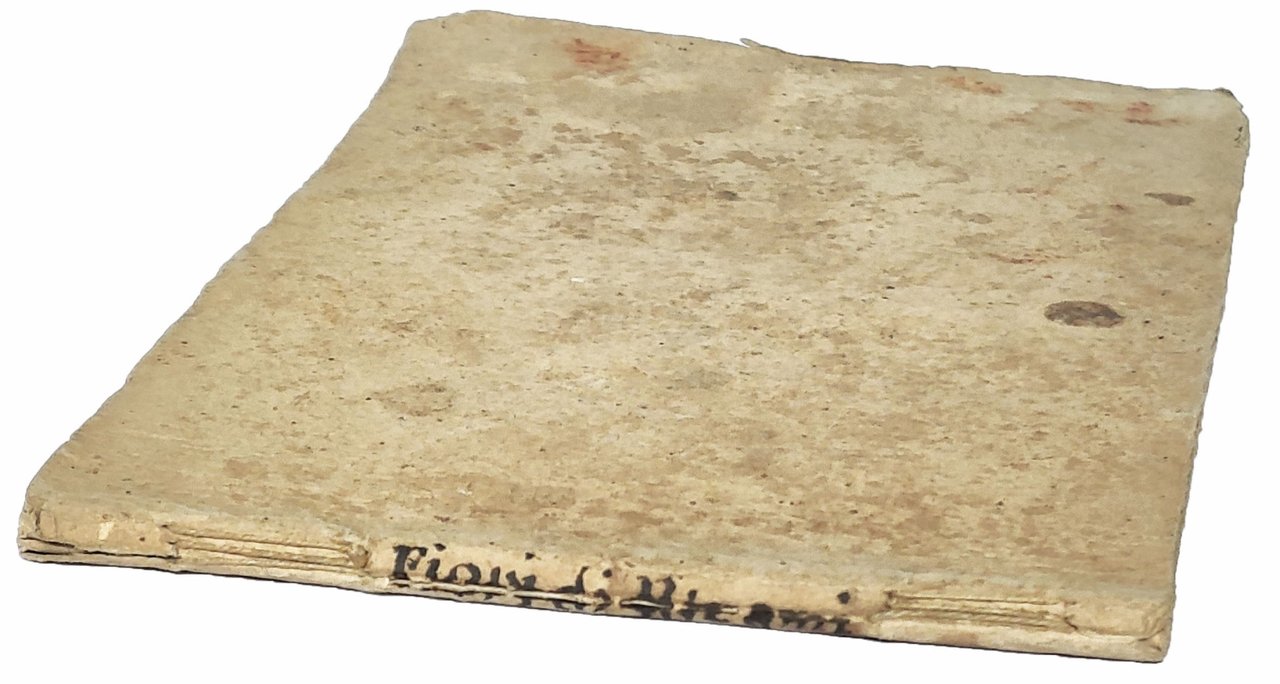
Oblong 4to (143x200 mm). [2], III-XX leaves. Collation: [A]4 B-C8. Title page within a woodcut border, dedication printed in italic type with a large woodcut initial, 18 woodcut illustrations printed on recto only (one repeated: IIII and XVII are the same woodblock). Contemporary cardboards “alla rustica” with inked title along the spine. On the front pastedown ownership inscription “Del Conte Pietro Pierucci”. On the title page other ownership entry anciently inked out. Paper loss to the inner upper margin of ll. C1 and C2 not affecting the woodcuts, tear to the lower margin of the last leaf also not touching the illustrations, some fixing and staining, but an exceptionally genuine copy in its first binding.
Tommaso Pasini's embroidery pattern book was previously known in an edition printed for him by Giovanni Rossi in Bologna in 1591, of which only one copy is recorded in the BNF in Paris. The title page refers to it as a second edition (“seconda impressione”), but either no earlier edition has survived or, as Lotz states, we have to consider as its first edition Giovanni Battista Ciotti's publication printed in Venice in the same year by Francesco de Franceschi (Prima parte de' fiori, e disegni di varie sorti di ricami moderni. Come merli, bavari, manichetti, & altri nobili lavori, che al presente sono in uso), which contains the same samples as Pasini's. To complicate matters further, in 1591 a third collection with the same patterns and exactly the same title as Pasini's appeared, first printed by de Franceschi for Matteo Florimi (and then reprinted several times in Siena and Florence), which Lotz considers a mere reprint without any originality.
The present copy is thus apparently the only known copy of a reprint of the 1591 Pasini/Rossi edition. This new ‘third' edition (“terza impressione” as stated in the title) differs from the 1591 edition in the title page, which has a woodcut ornament instead of Rossi's device of Mercury; it also has a new dedication by the editor Tommaso Pasini to Angelica Rasponi Papini, dated Bologna, 8 April 1593 (the 1591 edition has an undated dedication by Pasini to Valeria Rossi Ghisolieri). Moreover, in the 1593 edition plate 4 has become plate 9, plates 6 and 12 are inverted, in plates 6 and 7 the woodblocks are reversed, and finally, while in the 1591 edition plate 4 repeats plate 9, in that of 1591 plate 4 repeats plate 17.
Tommaso Pasini was a publisher and bookseller first in Ravenna between 1587 and 1591, then in Bologna from 1591 to 1595; in Ravenna he used the presses of Francesco Tebaldini, in Bologna those of Giovanni Rossi.
“Textile pattern books often addressed a woman's virtue as well. Although the earliest examples were intended for a diverse audience of artists, craftsmen, and art enthusiasts, over the course of the sixteenth century the titles, illustrations, and printers' introductions were aimed more and more at their core constituency, which consisted of girls and women. Domestic industry and the passing down of virtue and skill are celebrated in the title pages and, especially in Italy, in flowery titles […] reiterating the message that these arts and, by extension, these books should be pursued by all women of honor […] In post-Reformation Europe, spending time on needlework was to be preferred over lascivious activities such as singing, dancing, and playing music or table games as a pastime for virtuous girls and women” (F. Speelberg, Fashon & Virtue. Textile Patterns and the Print Revolution, 1520-1620, New York, 2015, pp. 42-43).
Edit 16, CNCE81984; A. Erdmann, My gracious silence, Luzern, 1999, p. 185; A. Lotz, Bibliographie der Modelbücher, Stuttgart-London, 1963, p. 217, no. 122 (all referring to the 1591 edition).