Kiss My Relics: Hermaphroditic Fictions of the Middle Ages
Kiss My Relics: Hermaphroditic Fictions of the Middle Ages | Libri antichi e moderni | David Rollo
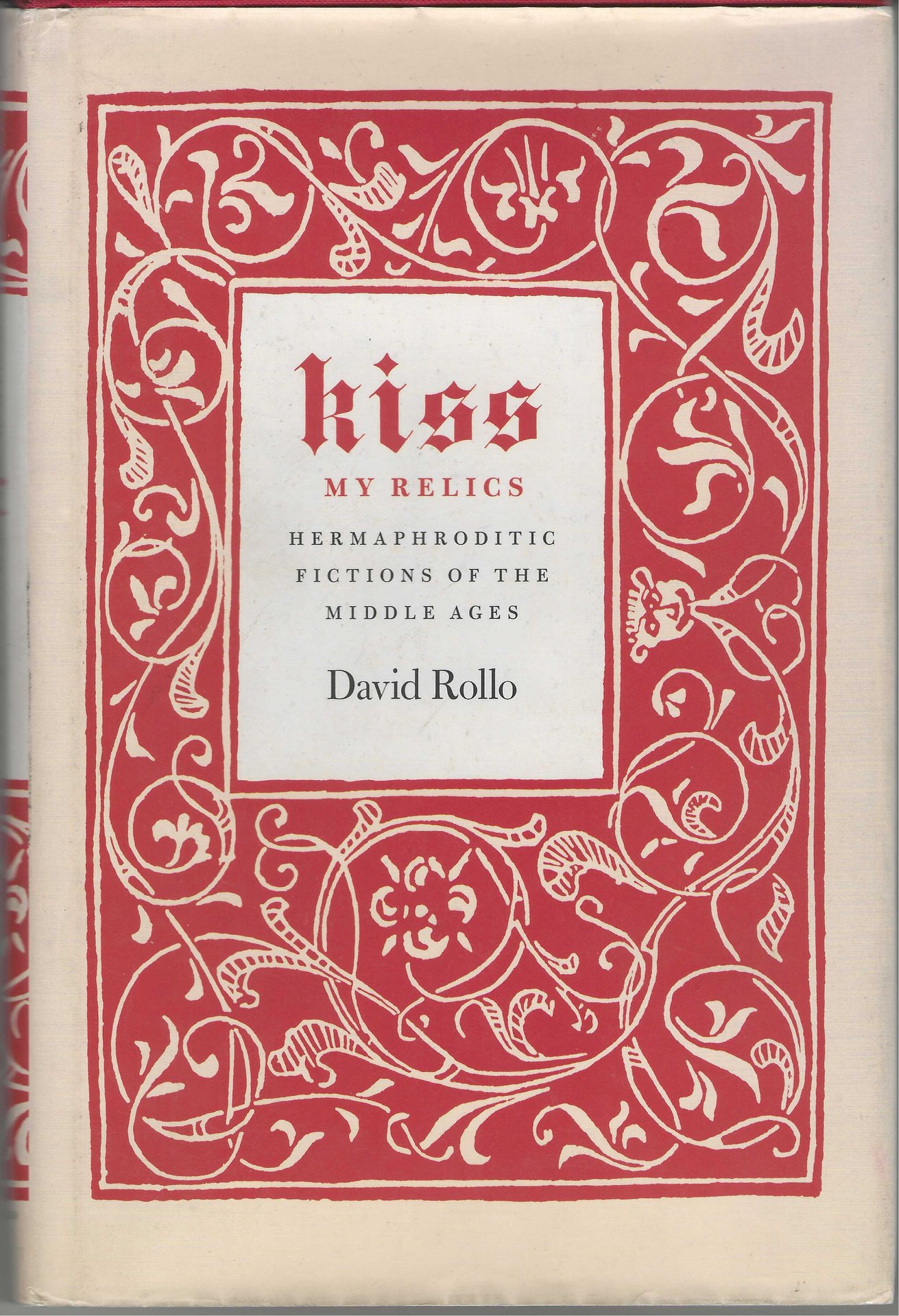
Kiss My Relics: Hermaphroditic Fictions of the Middle Ages
Kiss My Relics: Hermaphroditic Fictions of the Middle Ages | Libri antichi e moderni | David Rollo
Metodi di Pagamento
- PayPal
- Carta di Credito
- Bonifico Bancario
- Pubblica amministrazione
- Carta del Docente
Dettagli
- Anno di pubblicazione
- 2011
- ISBN
- 9780226724614
- Luogo di stampa
- Chicago (USA)
- Autore
- David Rollo
- Pagine
- 240
- Editori
- University of Chicago Press
- Formato
- Hardcover - copertina rigida
- Sovracoperta
- True
- Stato di conservazione
- In ottimo stato
- Legatura
- Rilegato
- Condizioni
- Usato
Descrizione
Copia in ottime condizioni, sovraccoperta leggermente rovinata, condizioni della copertina rigida e dell'interno sostanzialmente perfette
Conservative thinkers of the early Middle Ages conceived of sensual gratification as a demonic snare contrived to debase the higher faculties of humanity, and they identified pagan writing as one of the primary conduits of decadence. Two aspects of the pagan legacy were treated with particular distrust: fiction, conceived as a devious contrivance that falsified God’s order; and rhetorical opulence, viewed as a vain extravagance. Writing that offered these dangerous allurements came to be known as “hermaphroditic” and, by the later Middle Ages, to be equated with homosexuality.
At the margins of these developments, however, some authors began to validate fiction as a medium for truth and a source of legitimate enjoyment, while others began to explore and defend the pleasures of opulent rhetoric. Here David Rollo examines two such texts—Alain de Lille’s De planctu Naturae and Guillaume de Lorris and Jean de Meun’s Roman de la Rose—arguing that their authors, in acknowledging the liberating potential of their irregular written orientations, brought about a nuanced reappraisal of homosexuality. Rollo concludes with a consideration of the influence of the latter on Chaucer’s Pardoner’s Prologue and Tale.