Moments Preserved
Moments Preserved | Libri antichi e moderni | PENN, Irving (Plainfield, 1917 - New York, 2009)
Moments Preserved
Moments Preserved | Libri antichi e moderni | PENN, Irving (Plainfield, 1917 - New York, 2009)
Metodi di Pagamento
- PayPal
- Carta di Credito
- Bonifico Bancario
- Pubblica amministrazione
- Carta del Docente
Dettagli
- Anno di pubblicazione
- 1960
- Luogo di stampa
- New York
- Autore
- PENN, Irving (Plainfield, 1917 - New York, 2009)
- Pagine
- pp. 182
- Editori
- New York, Simon and Schuster,
- Edizione
- Prima edizione (First Edition, First Printing)
- Soggetto
- photography, photography: photobooks,
- Descrizione
- hardcover
- Stato di conservazione
- Buono
- Lingue
- Inglese
- Legatura
- Rilegato
- Condizioni
- Usato
Descrizione
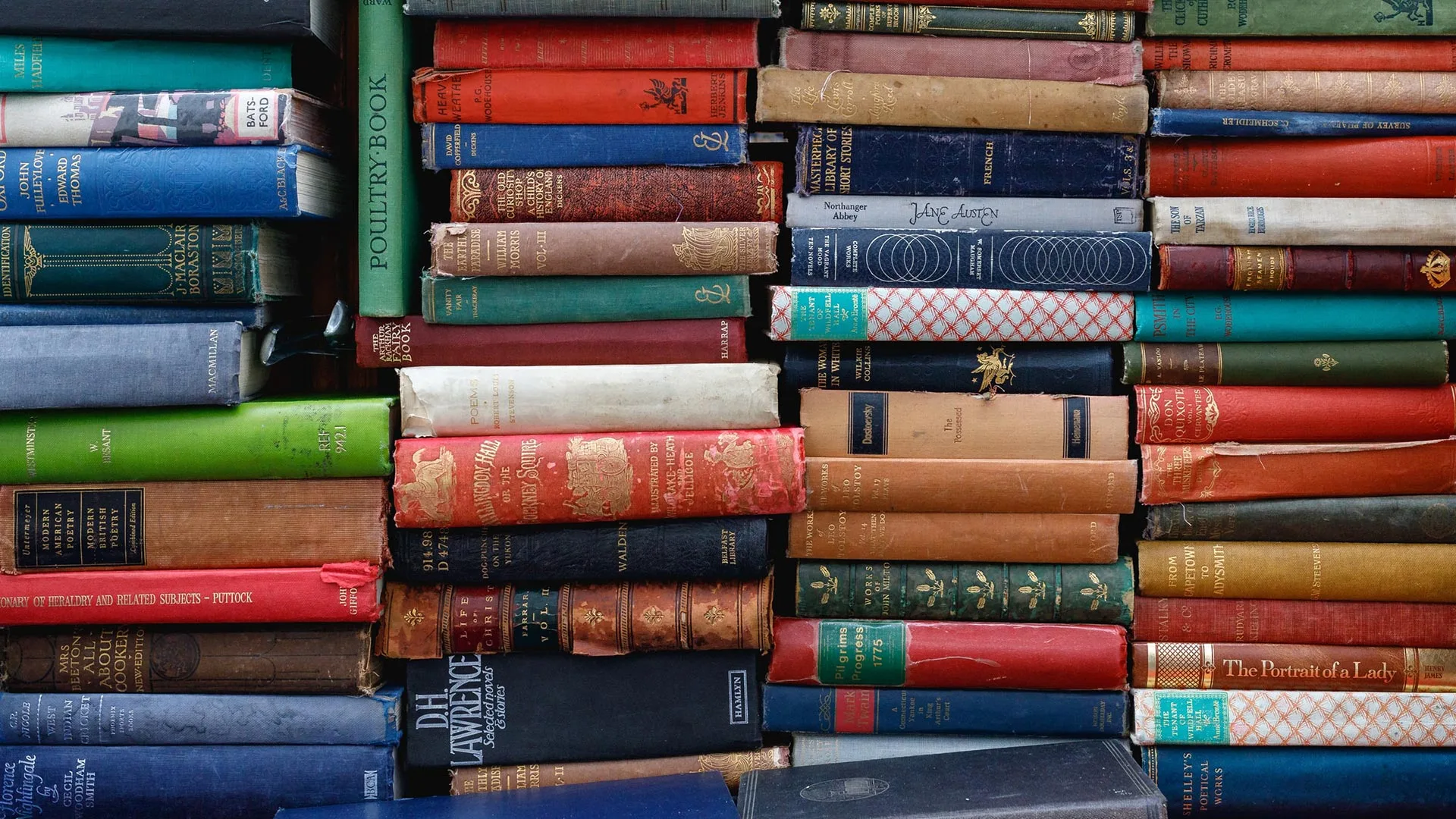
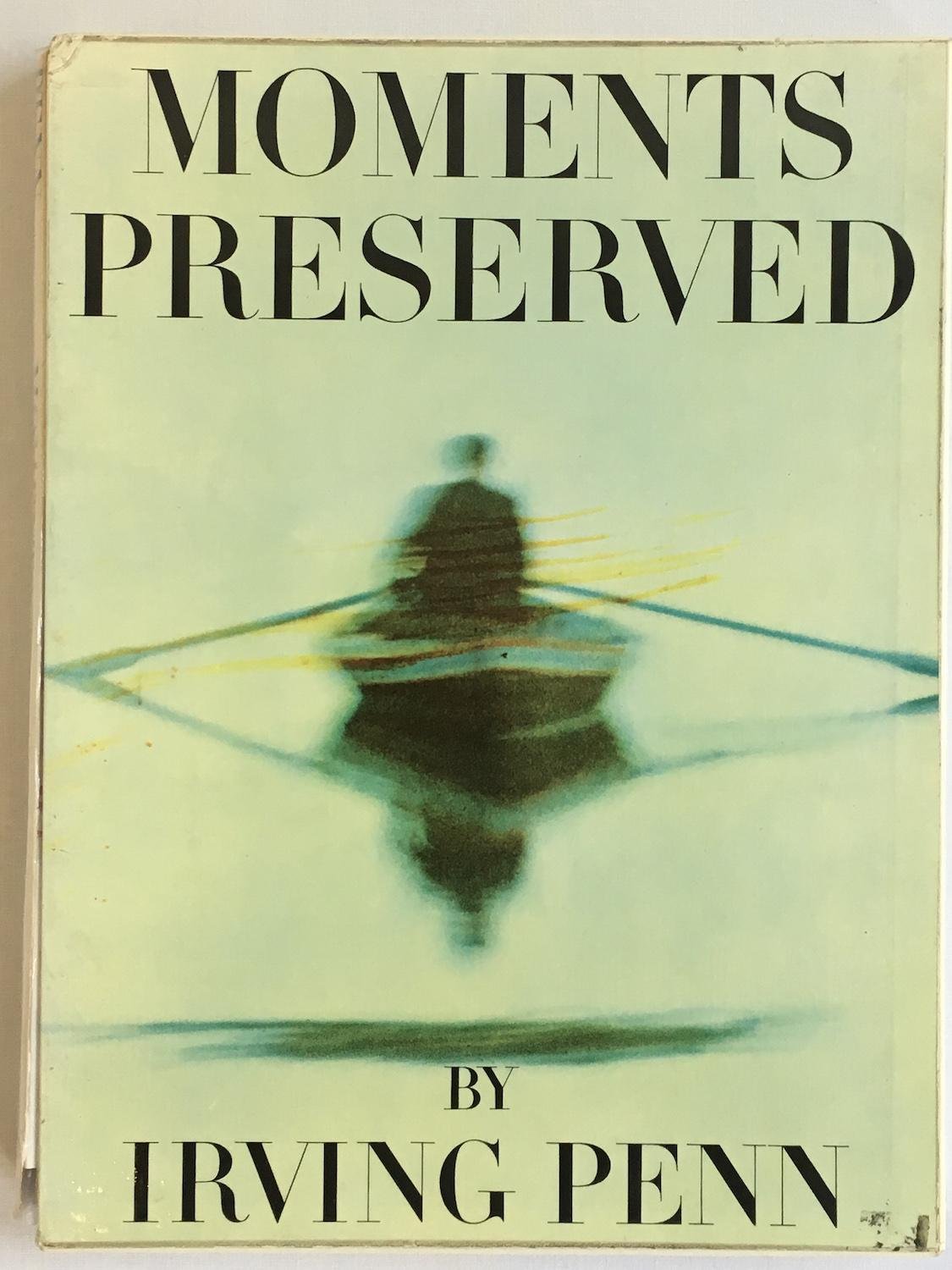
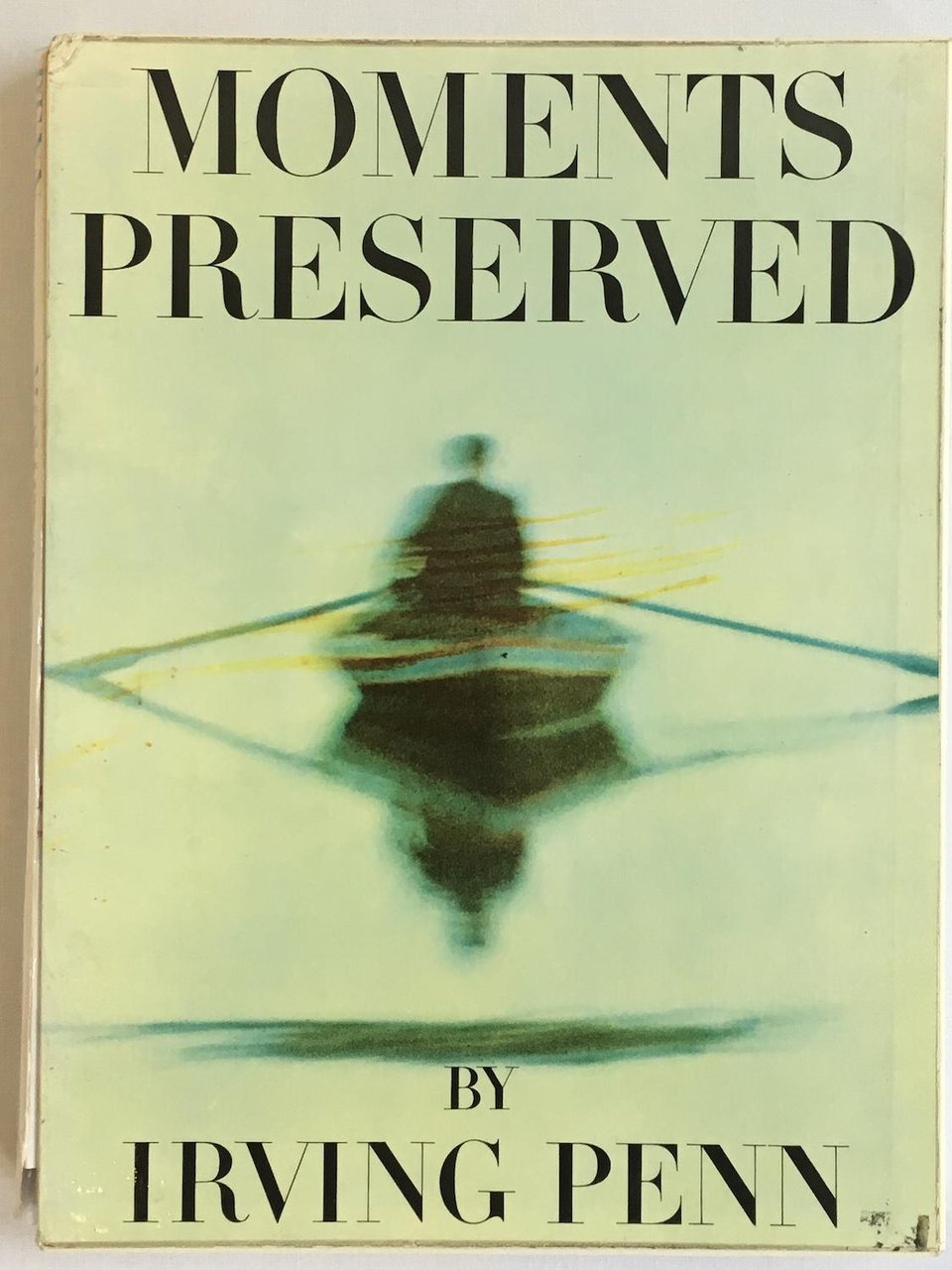
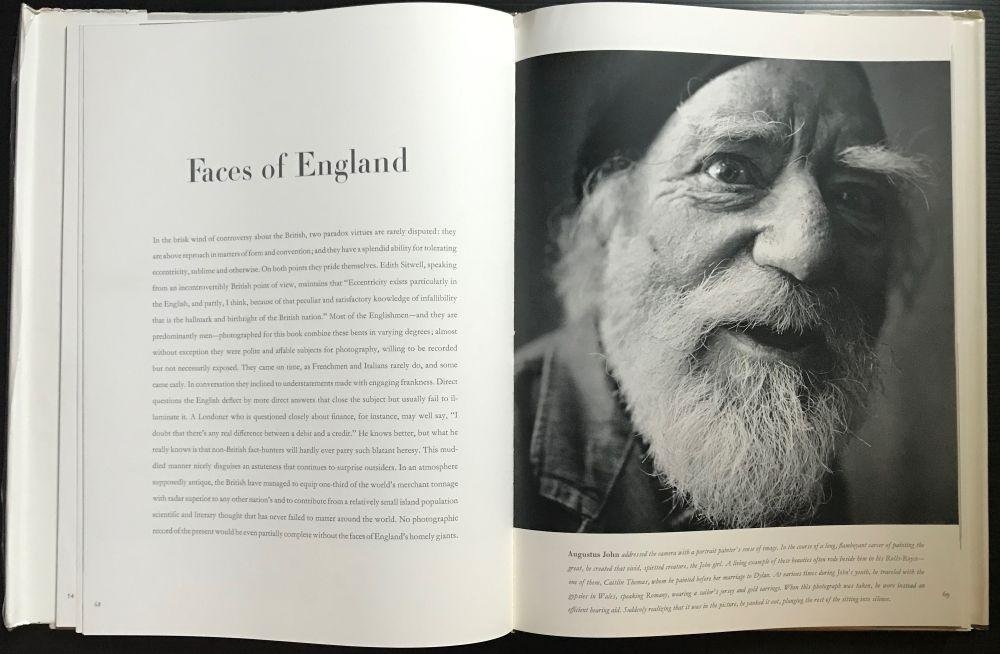
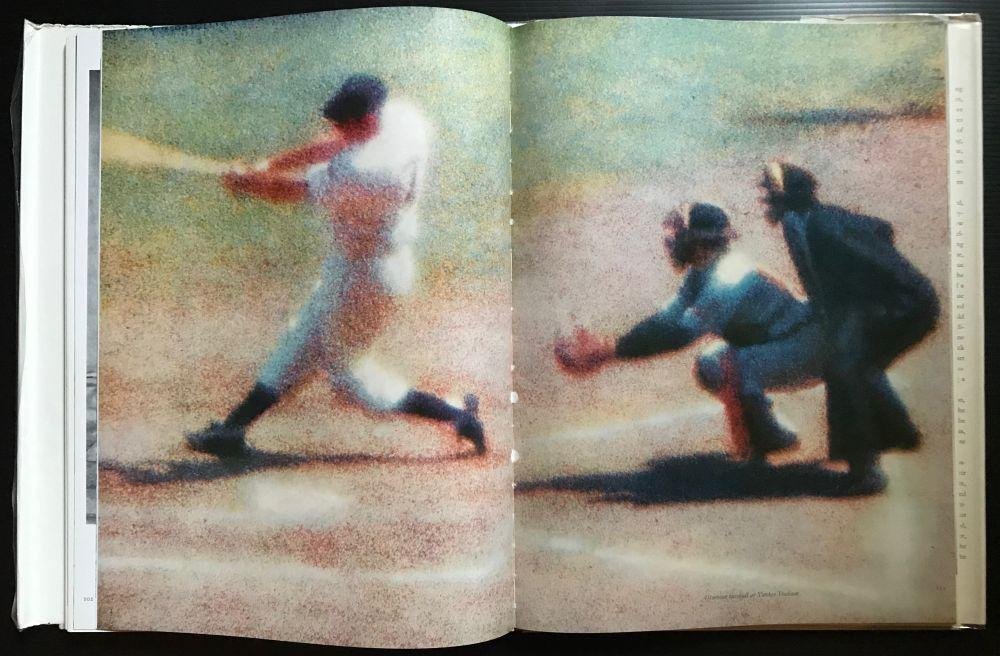
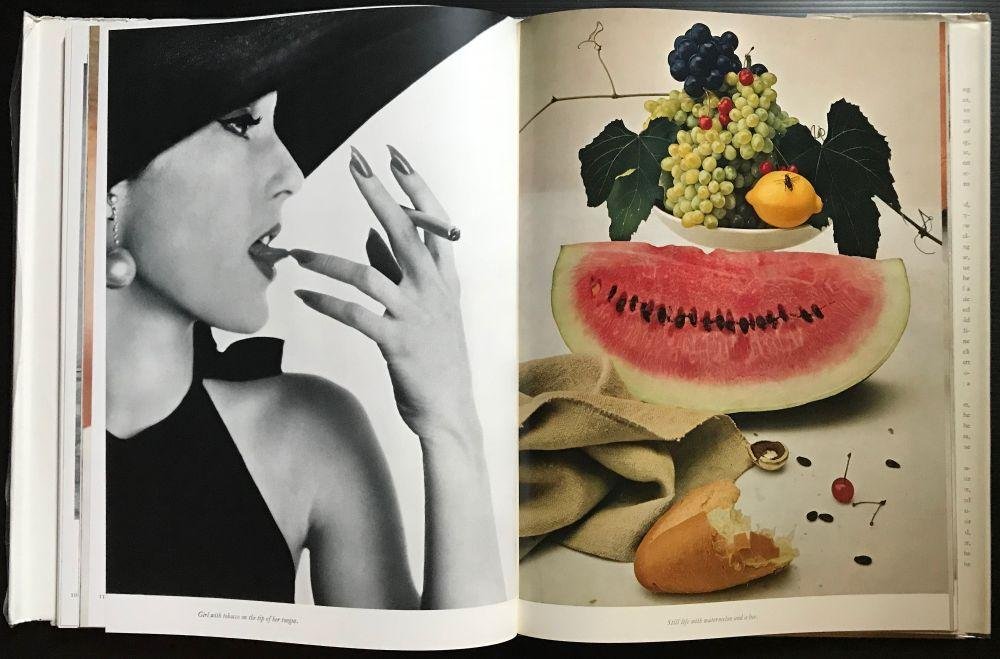
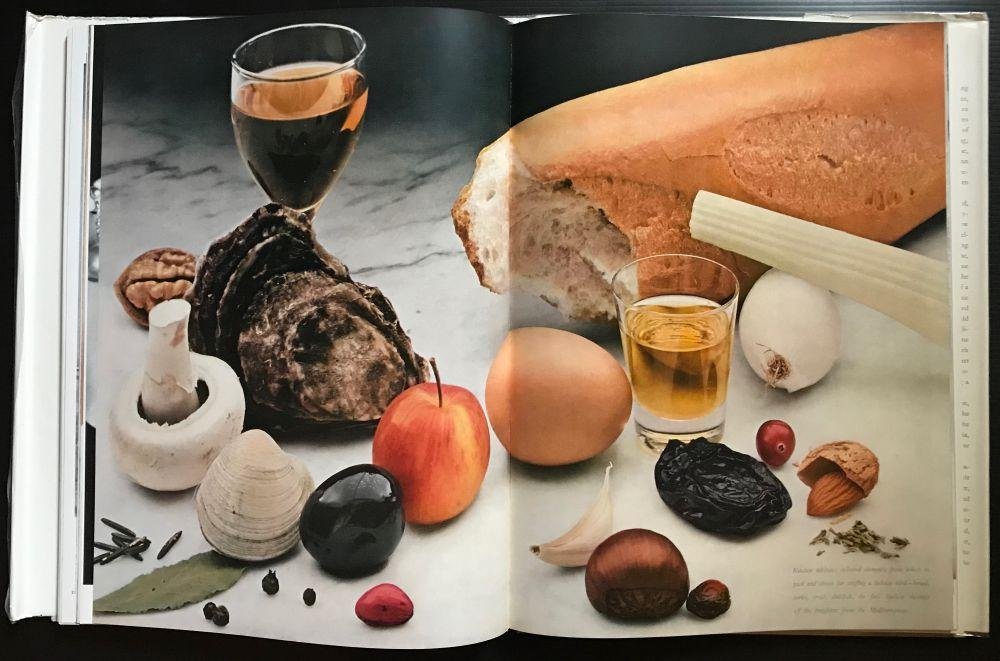
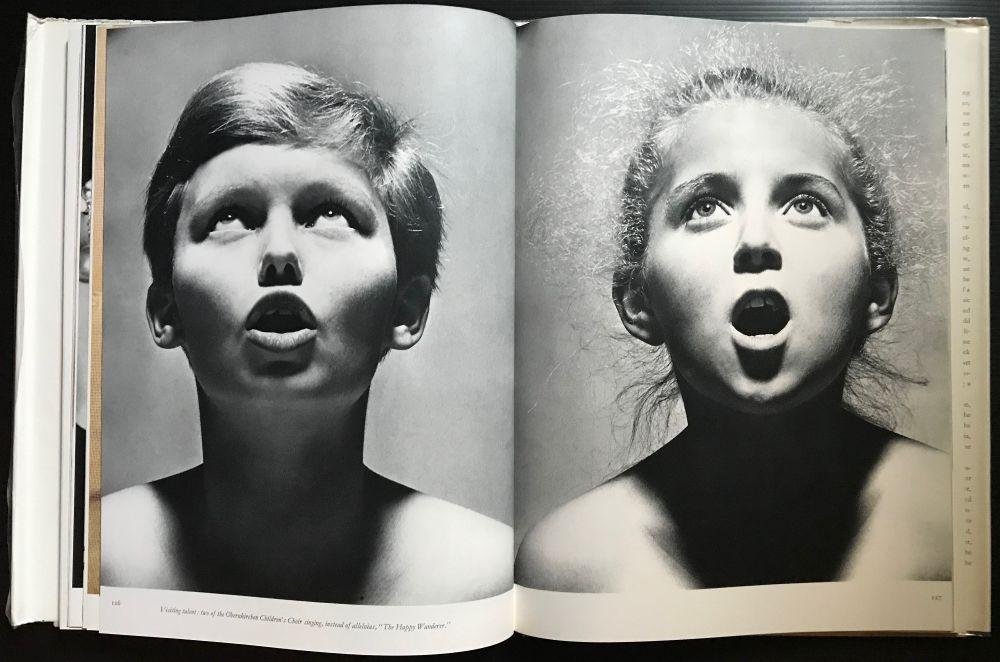
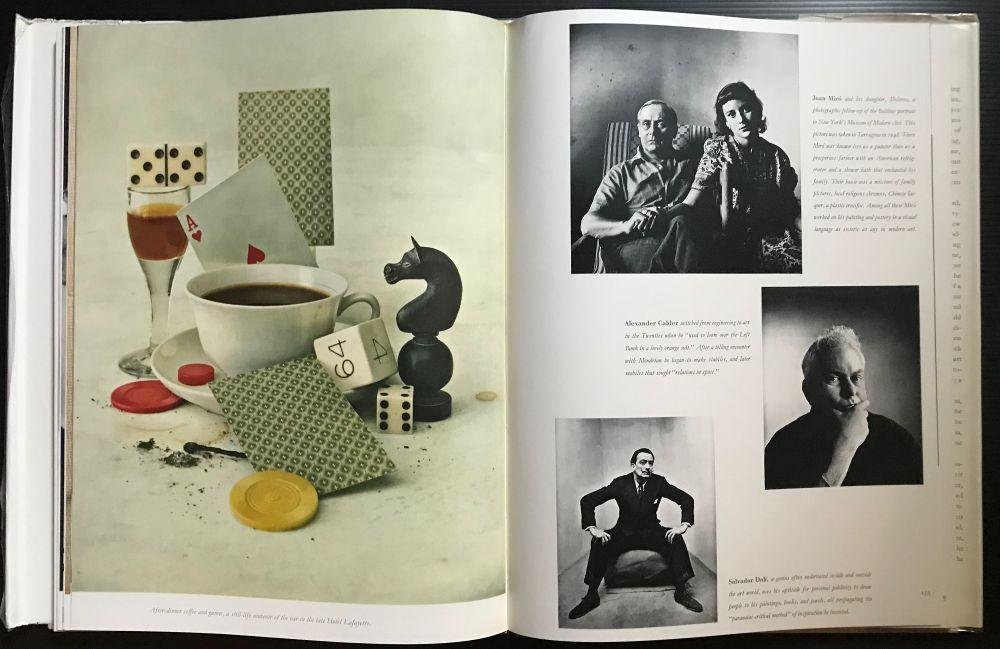
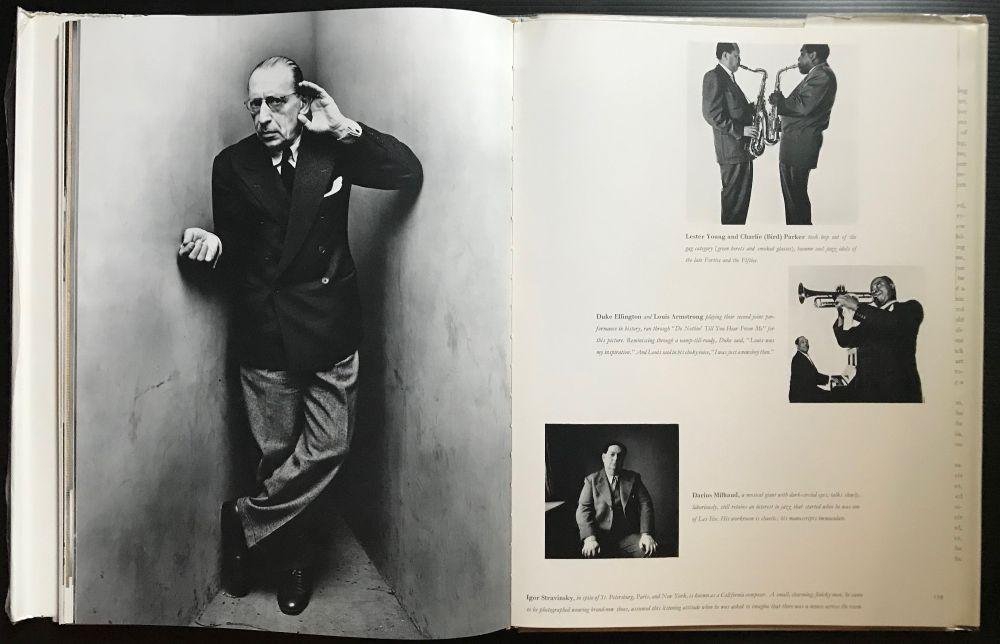
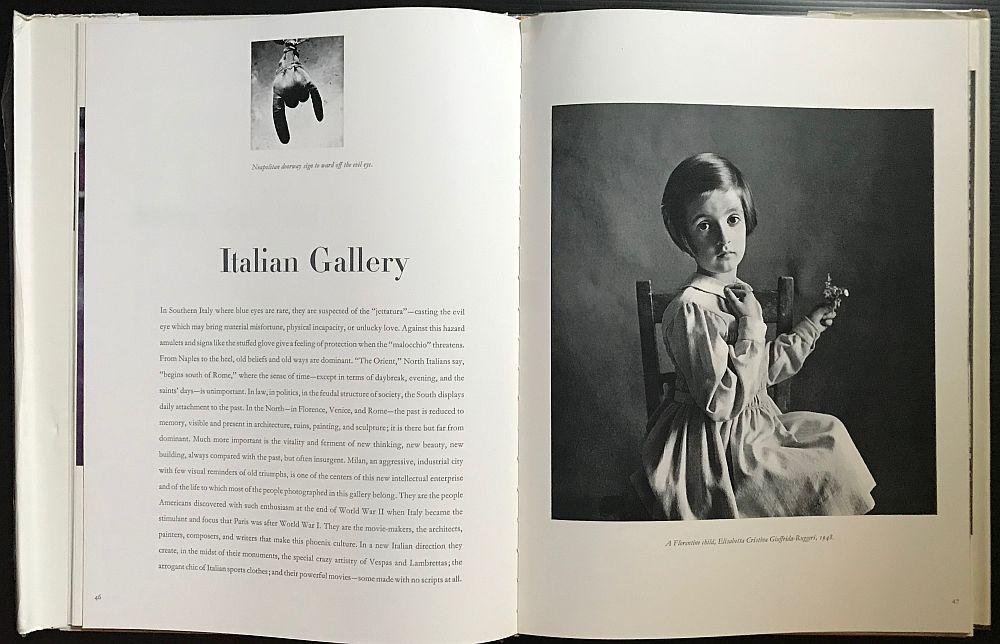
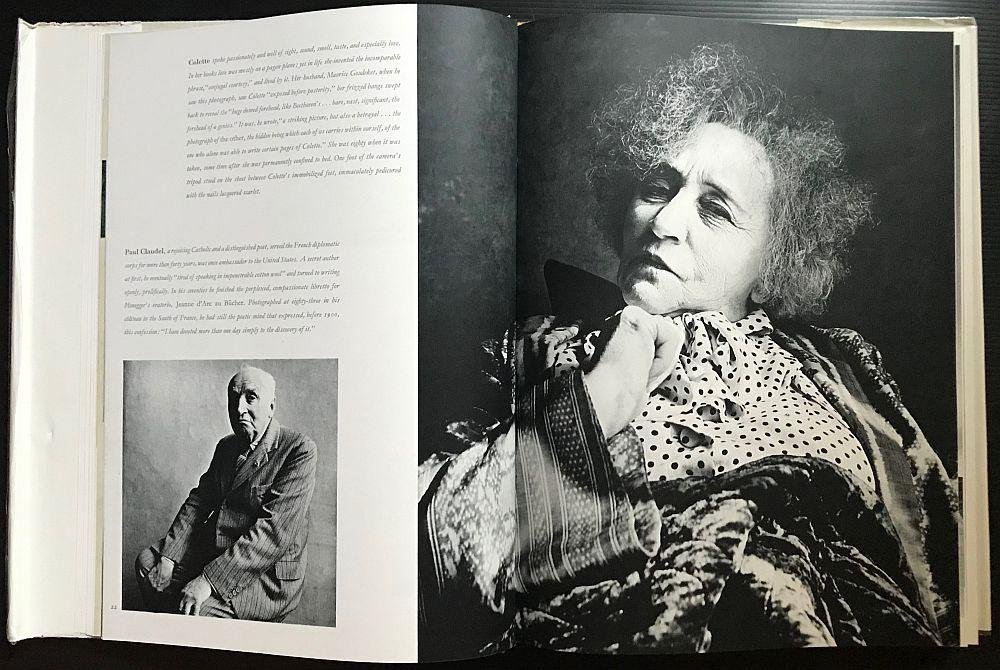
Eight essays in photographs and words by Irving Penn. With an Introduction by Alexander Liberman. Rosemary Blackmon collaborated in the writing of the captions and text. 39 colour plates and over 260 monochrome illustrations / Fotografie in bianco e nero e a colori di Irving Penn. Introduzione di Alexander Liberman. Testi e didascalie a cura di Rosemary Blackmon . 4to. pp. 182. . Molto buono (Very Good). Sovracoperta con parti mancanti lungo il dorso, entro copertina di protezione mylar (Worn dust jacket, with missing parts along the spine, inside mylar protective cover). Prima edizione (First Edition, First Printing). Fotolibri1 [Roth, 2001] Roth Andrew, The book of 101 books. PPP Editions - Roth Horowitz, 2001. "Irving Penn's first book, Montents Preserved, is an overview of an astonishingly busy career — one that began in earnest when he was hired by Alexander Liberman in 1943 to be the art director's assistant at Vogue. Penn had studied briefly with Alexey Brodovitch, but it was Liberman who molded and promoted his work and made him Vogue's ruling artistic presence; he also provides a generous introduction here. The book's uncredited designer is Penn himself ("That's part of the whole process," he says), but his crisp pacing, graphic precision, and vivid use of color could easily be mistaken for Liberman at his most lucid. Penn spent a month in Lucerne, Switzerland, overseeing the printers at C. J. Bucher, who had produced Avedon's Observations the previous year. For Moments Preserved, they worked with gravure, letterpress, and offset processes on separate paper stocks and had casts of Condé Nast's original engraving plates flown in from New York for the book's color reproductions. When the first gravures didn't have the requisite depth, those pages went back to press and another image layer was laid on top of the originals. The book's first edition print run of 20,000 was divided into French, Italian, German, and English editions and sent back to press again for a separate text run in each of those languages. (Penn only recently discovered that, beknownst to him, a Danish edition was also published.) Subtitled "Eight Essays in Photographs and Words", Moments Preserved gathers Penn's vast variety of enthusiasms — mostly for the vast variety of humanity — and slots them into categories by nationality: the French, the Italians, the English, the Americans. Though most of these sections include fashion studies, still lifes, and impressionist scenes (like the shimmering mirror image of a solitary boater that decorates the book's slipcase or the pointillist baseball action shot on one double spread), they have in common the photographer's deftly understated portraits, printed here in the subtlest gravure. Penn reinvented the classic daylight studio portrait for a more casual time, undercutting its formality but heightening its potential as a revealing performance. His texts, written in collaboration with Rosemary Blackmon, are often wry annotations of those performances. Evelyn Waugh, he notes, "was somewhat less than endearing," while the Duchess of Windsor, staking out one of Penn's tight corners like a guardsman, "wears history as coolly as she wears her impeccable clothes". (A. Roth, The Book of 101 Books).Il primo libro di Irving Penn, Montents Preserved, è la panoramica di una carriera sorprendentemente densa, iniziata con l'assunzione da parte di Alexander Liberman nel 1943 come assistente del direttore artistico di Vogue. Penn aveva studiato brevemente con Alexey Brodovitch, ma fu Liberman che modellò e promosse il suo lavoro, rendendolo la presenza artistica dominante di Vogue; Liberman qui fornisce anche una generosa introduzione. Il designer non accreditato del libro è lo stesso Penn ("Fa parte di tutto il processo", dice), ma il suo ritmo vivace , la precisione grafica e il vivido uso del colore potrebbero facilmente essere scambiati per intuizioni di Liberman: Penn passò un mese a Lucerna, in Svizzera, supervision