Ritratto del Conte Ludovic-Napoléon Lepic
Ritratto del Conte Ludovic-Napoléon Lepic | Stampe | DESBOUTIN Marcellin
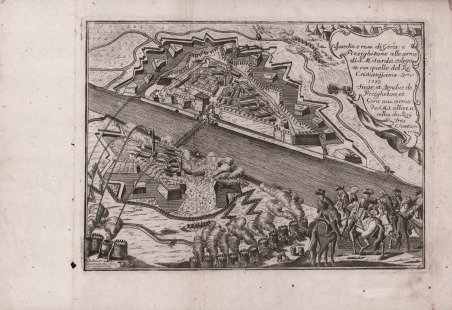
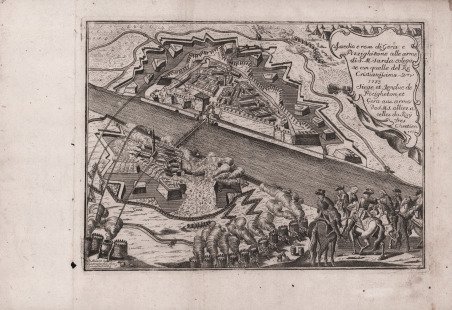
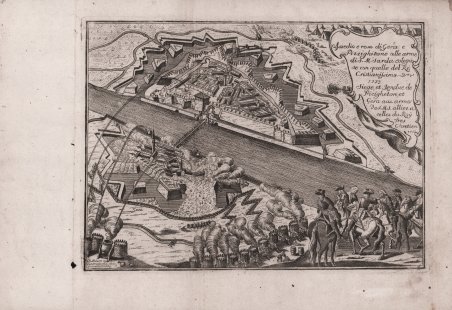
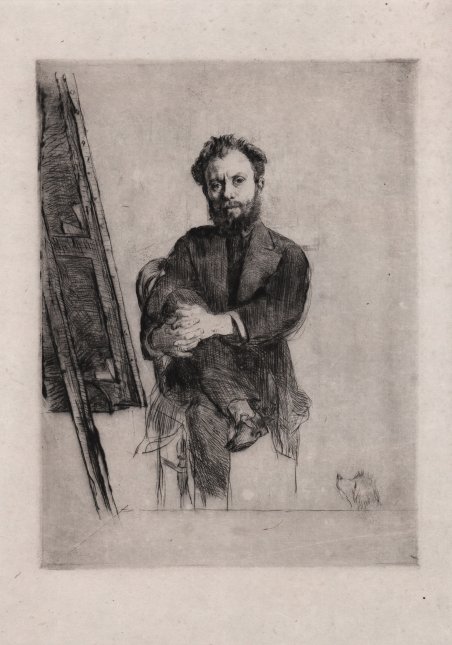
Ritratto del Conte Ludovic-Napoléon Lepic
Ritratto del Conte Ludovic-Napoléon Lepic | Stampe | DESBOUTIN Marcellin
Metodi di Pagamento
- PayPal
- Carta di Credito
- Bonifico Bancario
- Pubblica amministrazione
- Carta del Docente
Dettagli
- Anno di pubblicazione
- 1876
- Formato
- 240 X 315
- Incisori
- DESBOUTIN Marcellin
Descrizione
Ritratto del Conte Ludovic-Napoléon Lepic, grande tavola. Esemplare del rarissimo quarto stato di sette, prima dell’aggiunta del quadro raffigurante il cane sul muro, dietro a Lepic. Puntasecca, 1876, impressa sur Chine, con ampi margini, in perfetto stato di conservazione. Marcellin Desboutin si dedicò alla pittura, al disegno e inizia a produrre le sue prime incisioni, ma lo fece più come dilettante, senza metodo e senza senza preoccuparsi dele giudizio artistico. Dopo 17 anni trascorsi a Firenze, Desboutin tornò a Parigi nel 1872, divenendo presto una figura emblematica della bohème di Montmartre. Tra i suoi primi ammiratori ci fu Degas, che lo immortalò nel 1875 insieme all'attrice Ellen Andrée nel suo famoso quadro Dans un Café. ' Tra i suoi molti talenti, l’incisione è senza dubbio l’arte più notevole; Desboutin preferì la puntasecca, una tecnica in cui eccelleva e dove produsse diversi capolavori del genere. Edmond de Goncourt lo descrisse così nel suo diario: “Con una mano sicura e attenta, maneggia la punta come una penna o una matita incidendo la lastra di metallo, il più delle volte senza alcuno studio preparatorio, davanti al il modello vivente. Il suo talento di ritrattista è qui pienamente espresso. Il suo capacità di cogliere la psicologia del personaggio che rappresenta, combinato con la spontaneità del suo spontaneità della sua linea, offre opere di entrambi di grande verità e sensibilità”. Il ritratto di Goncourt fu pubblicato nel 1875 e poi presentato con altre acqueforti al “Salon” dello stesso anno. Desboutin divenne un incisore ricercato da tutta Parigi per i suoi ritratti incisivi e spontanei; i grandi borghesi, i collezionisti, i critici d'arte, letterati e artisti compongono, sotto il suo tocco vivace e delicato, un’impressionante galleria di ritratti delle celebrità della fine del XIX secolo. Ludovic Napoléon Lepic (1839-1889), era un artista, archeologo e mecenate francese. Ebbe il grandissimo pregio se non di inventare una nuova tecnica, almeno di trovare una formula singolare per chiamarla: incisione mobile. Lepic stesso spiega il suo approccio di acquafortista in un trattato posto a capo del suo album pubblicato nel 1876 da Cadart: "Inciderò come un pittore e non come un incisore". Per lui l'operazione principale non è l'incisione della lastra ma la sua stampa che, a seconda di come inchiostrava e cancellava la matrice, otteneva effetti completamente diversi. Queste variazioni di atmosfera collocano Lepic completamente nel movimento impressionista. Il ritratto di Lepic può essere indicato come uno dei capolavori della ritrattistica del’800. Magnifico esemplare di questa rarissima tiratura. Bibliografia Hilaire-Noël Sébastien Clément dit CLÉMENT-JANIN, La curieuse vie de Marcellin Desboutin. Peintre – Graveur-Poète, Parigi, Henry Floury, 1922: n. 163, IV/VII; IFF, n. 4; Paul Prouté, Marcellin Desboutin, Parigi, 2016, nn. 108-110. Portrait of Count Ludovic-Napoléon Lepic, large panel. Example from the very rare fourth state of seven, before the addition of the painting depicting the dog on the wall, behind Lepic. Drypoint, 1876, impressed sur Chine, with wide margins, in perfect condition. Marcellin Desboutin devoted himself to painting, drawing and began to produce his first engravings, but he did so more as an amateur, without method and without concern for artistic judgment. After 17 years in Florence, Desboutin returned to Paris in 1872 and soon became an emblematic figure of the bohemian Montmartre. Among his early admirers was Degas, who immortalized him in 1875 with actress Ellen Andrée in his famous painting Dans un Café. Among his many talents, engraving is undoubtedly the most notable art; Desboutin preferred drypoint, a technique in which he excelled and where he produced several masterpieces of the genre. Edmond de Goncourt described him as follows in his diary: "With a sure and careful hand, he handles the point like a pen or a pencil, engraving the metal plate, most of the time without any preparatory study, in front of the living model. His talent as a portraitist is fully expressed here. His ability to grasp the psychology of the character he represents, combined with the spontaneity of his line, offers works of both great truth and sensitivity". The Goncourt portrait was published in 1875 and then presented with other etchings at the "Salon" of the same year. Desboutin became an engraver sought after by all of Paris for his incisive and spontaneous portraits; the great bourgeois, collectors, art critics, men of letters and artists made up, under his lively and delicate touch, an impressive gallery of portraits of the celebrities of the late 19th century. Ludovic Napoléon Lepic (1839-1889), was a French artist, archaeologist and patron of the arts. He had the great merit if not to invent a new technique, at least to find a singular formula to call it: movable engraving. Lepic himself explains his approach as an aquafortist in a treatise placed at the head of his album published in 1876 by Cadart: "I will engrave like a painter and not like an engraver". For him, the main operation is not the engraving of the plate but its printing, which, depending on how he inked and erased the matrix, obtained completely different effects. These variations in atmosphere place Lepic completely in the Impressionist movement. Lepic's portrait can be indicated as one of the masterpieces of 19th century portraiture. Magnificent example of this very rare edition. Bibliografia Hilaire-Noël Sébastien Clément dit CLÉMENT-JANIN, La curieuse vie de Marcellin Desboutin. Peintre – Graveur-Poète, Parigi, Henry Floury, 1922: n. 163, IV/VII; IFF, n. 4; Paul Prouté, Marcellin Desboutin, Parigi, 2016, nn. 108-110. Cfr.