Libros antiguos y modernos
HYGINUS, Gaius Iulius (1st cent. BC)
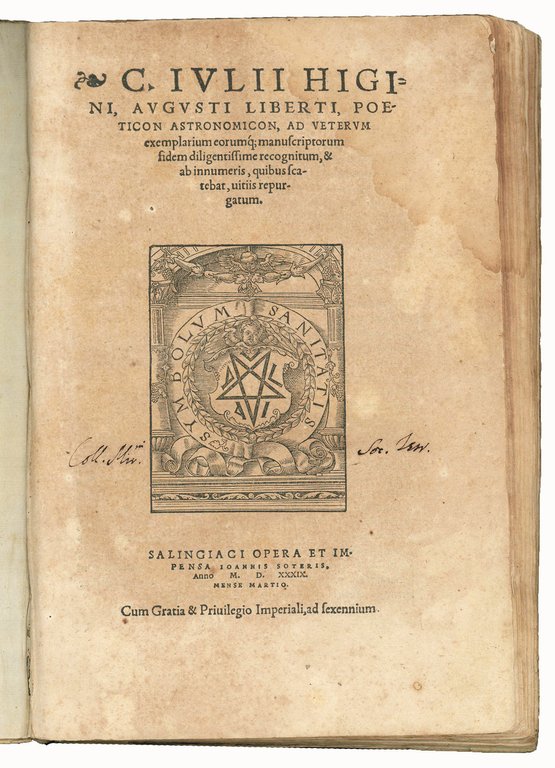
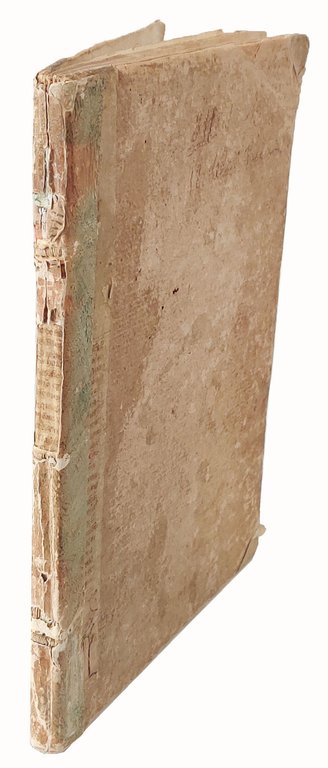
C. Ivlii Higini, Avgvsti Liberti, Poeticon Astronomicon, Ad Vetervm exemplarium eorumq[e]; manuscriptorum fidem diligentissime recognitum, & ab innumeris, quibus scatebat, uitiis repurgatum. Salingiaci Opera Et Impensa Ioannis Soteris, MCXXIX
Johannes Soter, 1539
1800,00 €
Govi Libreria Antiquaria
(Modena, Italia)
Los gastos de envío correctos se calculan una vez añadida la dirección de envío durante la creación del pedido. El vendedor puede elegir uno o varios métodos de envío: standard, express, economy o in store pick-up.
Condiciones de envío de la Librería:
Para los productos con un precio superior a 300 euros, es posible solicitar un plan de pago a plazos al Maremagnum. El pago puede efectuarse con Carta del Docente, Carta della cultura giovani e del merito, Administración Pública.
Los plazos de entrega se estiman en función de los plazos de envío de la librería y del transportista. En caso de retención aduanera, pueden producirse retrasos en la entrega. Los posibles gastos de aduana corren a cargo del destinatario.
Pulsa para saber másFormas de Pago
- PayPal
- Tarjeta de crédito
- Transferencia Bancaria
-
-
 Descubre cómo utilizar
tu Carta del Docente -
 Descubre cómo utilizar
tu Carta della cultura giovani e del merito
Detalles
Descripción
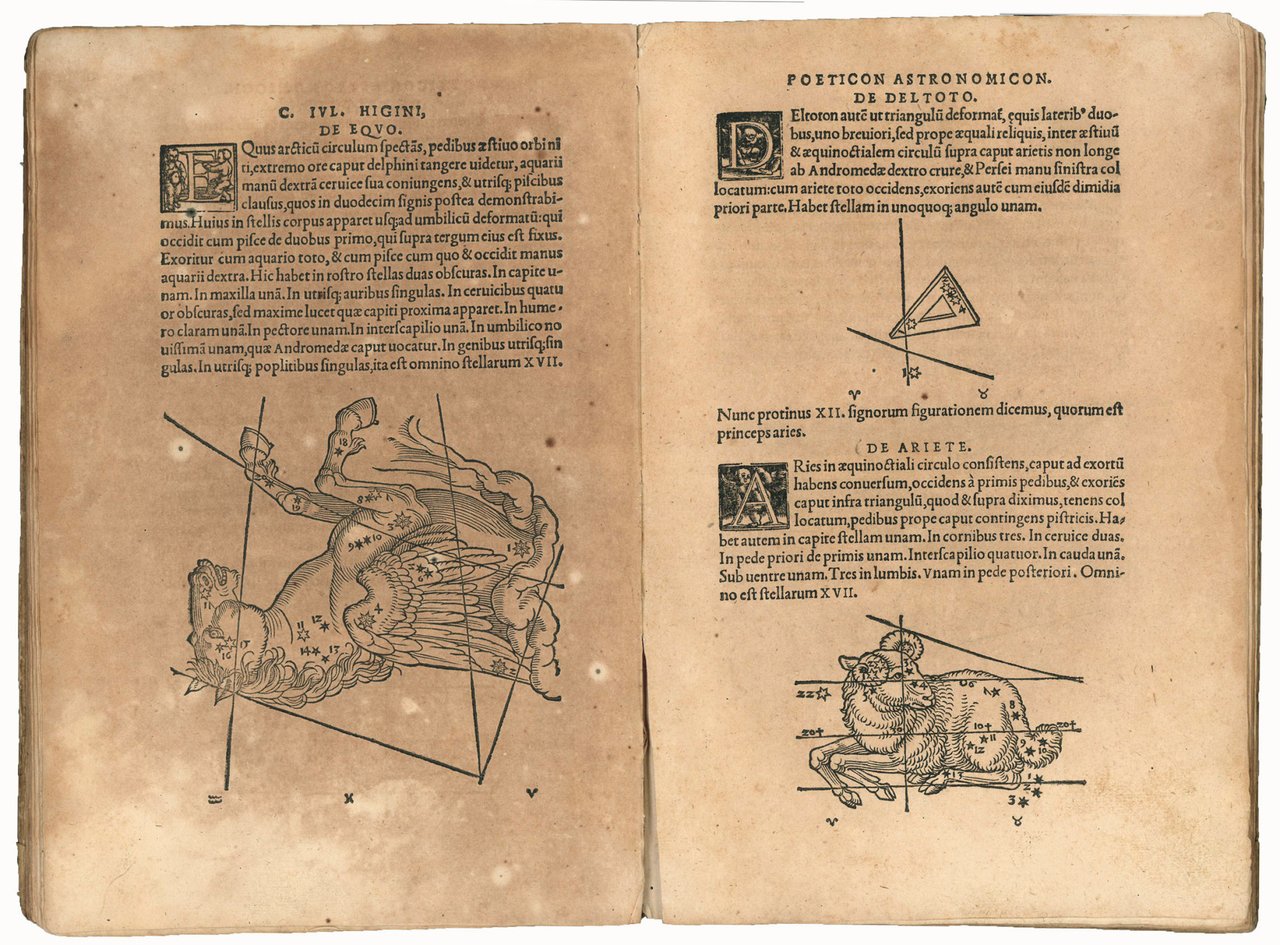
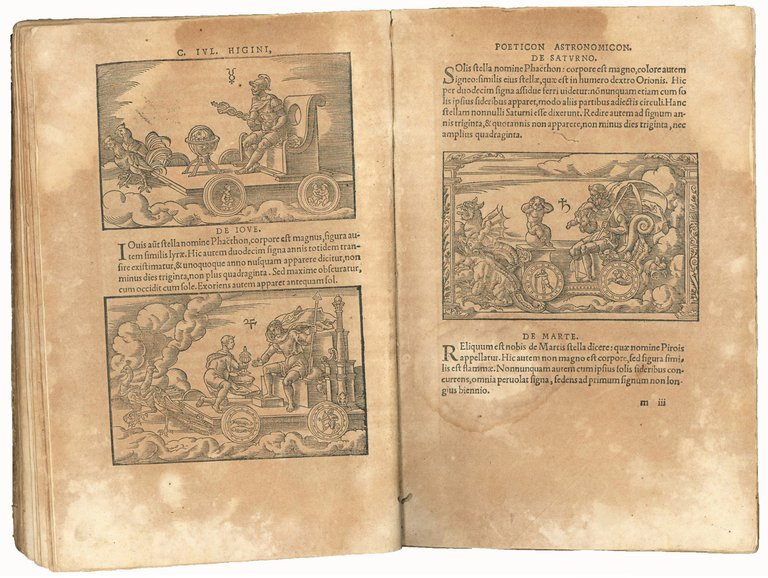
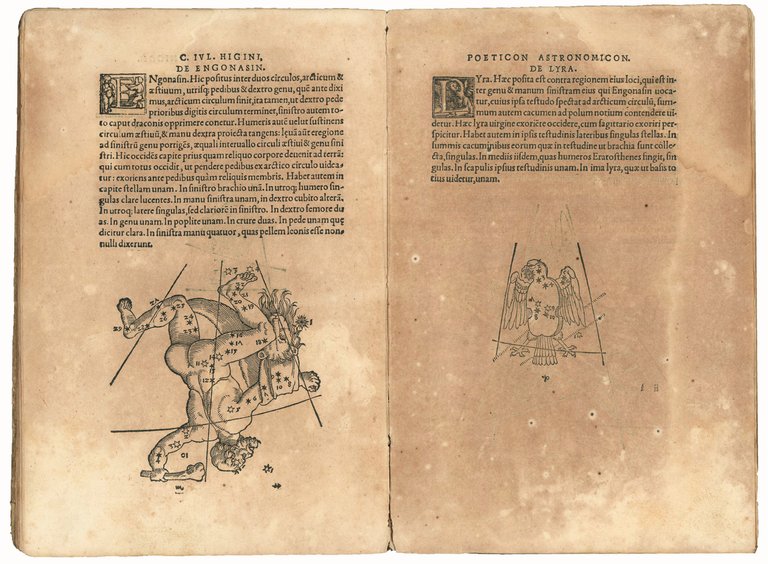
Rare 16th-century edition (first edition: Ferrara, 1475, 4to) of the Poeticon Astronomicon, also known with the title De Astronomia. The work is divided into four main parts, with chapter one dealing with astronomical definitions, chapter two with the correlation between myths and constellations, chapter three with some single stars and the final chapter with the sphere, the movement of the Sun, Moon and the planets.
The Poeticon is attributed to Hyginus, the librarian of Augustus and author of the better-known work Fabulae, a compendium of classical myths. The date and attribution of the Poeticon Astronomicon have long been disputed, but more recently it has been suggested that similarities in content between the Poeticon and the Fabulae, together with the absence of astrological allusions, suggest a common authorship and a date of composition before astrology became fashionable in Rome in the final years of the first century BC.
The earliest Greek references to constellations are found in Homer's Iliad and Odyssey, without an explicit reference to correlated myths. Hesiod in his The Constellations mentions the same constellations as Homer (the Pleiades, Hyades, Ursa Major and Orion), adding the individual stars Arcturus and Sirius, and writing about some familiar Greek myths, also well attested in classical literature. What remains unclear is when and how these myths became associated with a particular constellation. Some think that the association of myth and constellation was a literary construct invented by Eratosthenes and then evolved in popular culture during the centuries between Homer and Hesiod and the Hellenistic age. Hyginus seems to have followed Eratosthenes' construct, systematically combining mythological material with each one of the constellations.
The work offers a comprehensive picture of the myths associated with Greeks and Romans constellations, forty-eight in number at the time of Ptolemy (311-283 BC), founder of the famous Library of Alexandria in Egypt. The Poeticon describes only 42 constellations, ranging from groups of constellations based on a common mythological theme (e.g. the 5 constellations of the Perseus-Andromeda group) to heroes, nymphs, animals and birds or inanimate objects.
This is one the best-known works on the constellations and astrological myths in the classical literature of the Ancients.
OCLC, 643017288; VD16, H-6486; T. Condos, Star myths of the Greeks and Romans: a sourcebook containing the Constellations of Pseudo-Eratosthenes and the Poetic astronomy of Hyginus, Phanes Press, 1997; Graesse, III, p. 403; Brunet, II, p. 152; J. C. Houzeau-A. B. M. Lancaster, Bibliograpgie Générale de l'astronomie, Bruxelles, 1887, no. 1029.
