Portraits of the Insane: Theodore Gericault and the Subject of Psychotherapy
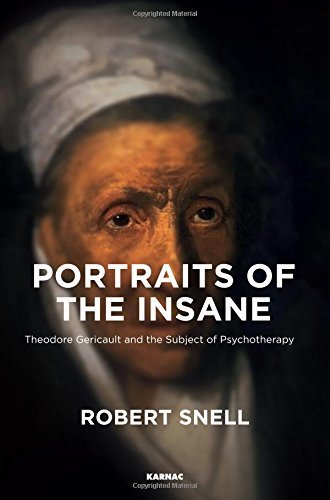
Portraits of the Insane: Theodore Gericault and the Subject of Psychotherapy
Formas de Pago
- PayPal
- Tarjeta de crédito
- Transferencia Bancaria
- Pubblica amministrazione
- Carta del Docente
Detalles
- Autor
- Snell Robert
- Editores
- Karnac Books (28 settembre 2016)
- Materia
- Arte Art
- Descripción
- S
- Sobrecubierta
- False
- Conservación
- Como nuevo
- Encuadernación
- Tapa blanda
- Copia autógrafa
- False
- Primera edición
- False
Descripción
8vo, br. ed. pp,227. In the early 1820s, in the gloomy aftermath of the 1789 Revolution and the Napoleonic wars, the French Romantic painter Theodore Gericault (1791-1824) made five portraits of patients in an asylum or clinic. No depictions of madness before or since can compare with them for humanity, straightforwardness and immediacy. Why were they painted? For whom? Art-historical ways of accounting for them open up questions about the nature of psychoanalytic interpretation. The portraits challenge us to find responses in ourselves to the face and the embodied mysteries of the other person, and to our own internal (unsconscious, disavowed) otherness: in this sense, Gericault was a "painter-analyst". The challenge could not be more urgent, in our world of suspicion of the stranger, and of the medicalisation of madness. The book sketches the history of this last process, from the Enlightenment through to the Revolution and its public health policies, to the birth of the asylum in its interface with the penal system. But there was also a new medico-philosophical conviction that the mad were never wholly mad, and their suffering and disturbance might best be addressed through relationship and speech. For contemporaries like Stendhal and Hegel, we are all split subjects. The portraits, painted during a period of unprecedented social, cultural and economic transformation, on the threshold of modernity, register a critical moment in the history of psychotherapy and psychiatry, and of the human subject itself. They help us grasp and give proper value to some of the living roots of psychoanalysis.
