San Giorgio
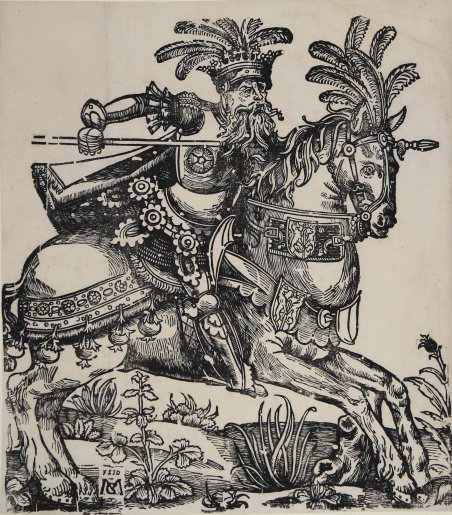
San Giorgio
Formas de Pago
- PayPal
- Tarjeta de crédito
- Transferencia Bancaria
- Pubblica amministrazione
- Carta del Docente
Detalles
- Año de publicación
- 1550
- Formato
- 270 X 310
- Grabadores
- GERUNG Matthias
- Descripción
- Nagler, Die Monogrammisten, pp. 569/573, 1824.
Descripción
Xilografia, 1550, datata e monogrammata in tavola in basso. Magnifica prova, impressa su carta vergata coeva con filigrana non leggibile, completa della parte incisa, lieve piega di carta all’angolo superiore destro, per il resto in perfetto stato di conservazione. Matthias Gerung, nella vecchia letteratura Geron Mathias, è stato un pittore tedesco e incisore. Era probabilmente il figlio del violinista Matthias e allievo di Hans Schaufelin, sebbene qualcuno dica di Hans Burgkmair . Oltre ad essere un pittore, è anche conosciuto come maestro nell’intaglio silografico, soprattutto per l'illustrazione della Bibbia di Ottheinrich , che è uno dei più preziosi manoscritti miniati del mondo. Il Nagler gli attribuisce 23 lavori differenti, alcuni dei quali multipli, per la maggior parte a carattere religioso, non citando quest’opera. Sebbene priva della classica scena dell’uccisione del drago, questo lavoro sembrerebbe rappresentare San Giorgio, Santo - cavaliere che più di ogni altro ha rappresentato l’ideologia cavalleresca, difensore degli innocenti e antagonista vittorioso sul Male. Woodcut, 1550, dated and signed in the woodblock. A magnificent impression, printed on contemporary laid paper with watermark unreadable, showing the borderline. slight crease of paper upper right corner, otherwise in perfect condition.Matthias Gerung, in older literature Geron Mathias, was a German painter and printmaker. It was probably the son of the violinist Matthias and pupil of Han Schaufelin, although someone says Hans Burgkmair. In addition to being a painter, is also known as master of the woodcut, especially for the illustration of the Bible Ottheinrich, which is one of the most precious illuminated manuscripts in the world. Nagler gives him 23 different works, some of which are multiple, mostly of a religious nature, and citing this work. Although lacking the classic scene of the killing of the dragon, this work would appear to represent Saint George, Saint - more than any other rider who has represented the ideology of chivalry, a defender of the innocent and vanquishes the evil antagonist. Cfr. Nagler, Die Monogrammisten, pp. 569/573, 1824.
